Technical Support:
158-7527-1139

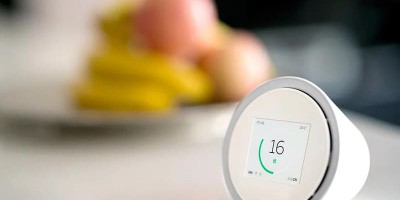
Air quality is an important part of our lives, but it is often overlooked. With the advancement of technology, we now have more tools to understand and improve the air around us. In this article, we will explore some innovative application cases that demonstrate how air quality monitors and PM2.5 sensors are helping us better understand and respond to air quality challenges in different fields.

A temperature and humidity sensor is a sensor used to measure ambient temperature and humidity. It is widely used in industry, agriculture, environmental monitoring, medical treatment, and other fields. Correct use of the temperature and humidity sensor can ensure its measurement accuracy and service life.

An infrared dust sensor is a type of sensor that uses the principle of infrared light scattering to measure the concentration of dust in the air. It has the advantages of a simple structure, convenient use, and low cost, and is widely used in industry, environmental monitoring, and other fields.
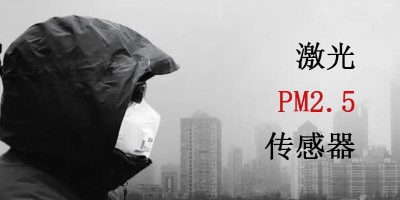
While paying attention to what we eat and wear every day, have you ever noticed the quality of the air we breathe? PM2.5, a term that seems distant, is actually closely related to our lives. The laser PM2.5 sensor is a device that can monitor the concentration of PM2.5 in the air in real-time. So, "In what scenarios are laser PM2.5 sensors generally applied?" Let's uncover its mystery together.

In modern industrial manufacturing, cleanrooms in machine shops play a vital role. They not only guarantee the quality of products but also ensure the hygiene of the working environment and the health of employees. One of the most significant challenges is dust control, which is key to the successful operation of a cleanroom. This article will introduce the application of dust sensors in machine shop cleanrooms and how they serve as the guardian of the cleanroom.
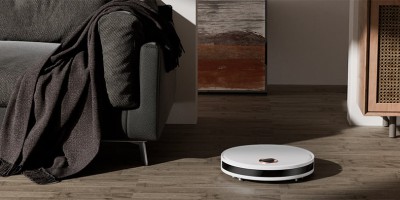
Sweeping robots are common cleaning tools in modern homes. They can automatically clean the floor, reducing people's labor intensity. The work of sweeping robots is inseparable from dust sensors. The dust sensor is an important component of the sweeping robot. It determines whether the room needs cleaning by detecting the dust concentration in the air. There are two main working principles of dust sensors:
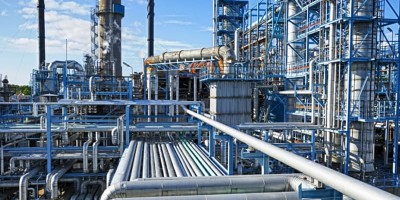
At industrial production sites, worker health and environmental pollution have always been issues that cannot be ignored. Especially in dust-intensive working environments, the presence of PM2.5 particles may pose a threat to health and production equipment. This article will explore how PM2.5 sensors play a key role in these environments, providing innovative monitoring and solutions for industrial labor production.
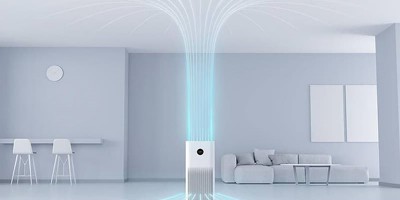
The application of air purifiers and PM2.5 sensors provides people with effective solutions to improve indoor air quality. They can not only effectively remove pollutants from the air but also help people understand indoor air quality, so as to take corresponding measures to improve it. In the future, with the continuous development of air purifier and PM2.5 sensor technology, they will become more intelligent and more effective in improving indoor air quality, providing people with a healthier living environment.

In today's increasingly technological society, we are paying more and more attention to the issue of indoor air quality. This has also led to the increasingly widespread application of carbon dioxide (CO2) sensors. These sensors can monitor indoor CO2 concentrations to ensure our living and working environments are safer and more comfortable. But when does a carbon dioxide sensor sound an alarm?
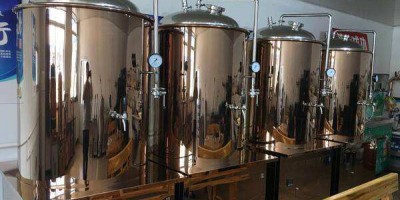
Many products have extremely high requirements for workshop cleanliness during production and processing. For instance, during the COVID-19 pandemic, mask demand was massive, and workshop cleanliness became a vital indicator for mask quality. Laser dust sensors can measure workshop cleanroom levels through precise digital data.

In recent years, urban air pollution has seriously affected people's lives, not only resulting in a poor living experience but even affecting people's health if no measures are taken. To have a living environment with good air quality, urban air governance will use air quality monitors to monitor various concentration data in the air to formulate improvement measures.

Current pollution comes from industry and vehicle exhaust. Environmental monitoring sensors translate environmental conditions into data, allowing for targeted improvement measures.