

Technical Support:
158-7527-1139


The human body produces different physiological reactions under different environmental temperature and humidity levels. Temperatures that are too high or too low cause discomfort, while a suitable environment keeps the body in a comfortable state, improving efficiency and quality of life.
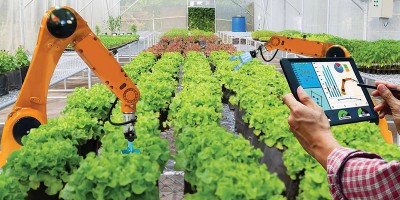
With the support of modern technology, sensor technology is developing rapidly, driving innovation across various fields. All-in-one sensors, as an important branch, have broad application prospects. This article will delve into what all-in-one sensors are and the key roles they play in various scenarios.

As living standards rise, the demand for home cleaning increases. As a smart home product, cleaning robots are increasingly favored by consumers for their automation and efficiency. The dust sensor is a key component, helping the robot perceive environmental dust in real-time and clean intelligently based on dust concentration and distribution.

In smart home design, the application of sensors greatly improves the intelligence level of the system, allowing devices to respond more accurately to our needs. We look forward to more innovative sensor technologies being applied to make life more intelligent and humanized.

With technological progress, dust sensors are widely used in indoor air quality monitoring, industrial automation, and environmental monitoring. However, to ensure accuracy, we must understand the factors affecting performance and how to minimize errors. This article discusses these factors and their importance in practical applications.

With the continuous development of technology, modern cars are no longer simple mechanical devices but high-tech smart systems. Sensors play a vital role in cars, monitoring various parameters to provide drivers with important information and ensuring vehicle safety and performance under different conditions.
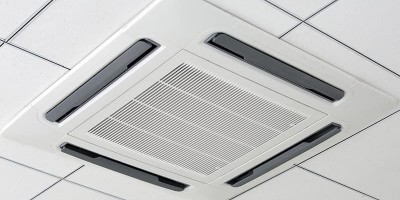
Central air conditioning is a system that uses refrigerant cycling between an evaporator and a condenser to absorb indoor heat and discharge it outdoors. To achieve effective control, central AC systems need various sensors to collect environmental parameters such as temperature, humidity, pressure, and flow.

As people pay more and more attention to air quality, air conditioners with purification functions have gradually become popular products on the market. So, how do they purify the air? These units generally have a built-in air purifier module that removes pollutants through filtration, adsorption, and catalysis.
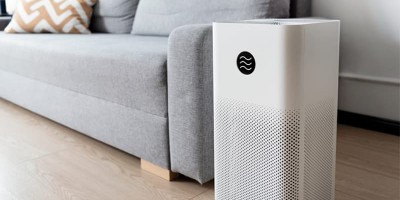
Air quality is a major concern today. Keeping indoor air fresh and clean is a key life task. This article analyzes how PM2.5 sensors and purifiers work together to bring fresh air indoors.

Micro-particles such as dust, smoke, pollen, and bacteria are invisible but significantly impact health and environment. Developing accurate monitoring methods is crucial. Laser dust sensors use laser technology to quantify particle concentration and size.
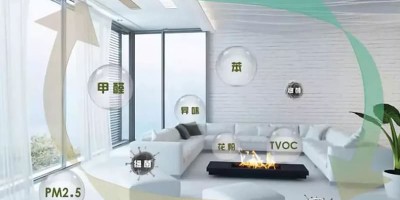
A fresh air system introduces outdoor air and exhausts indoor air to achieve circulation. It improves air quality regarding PM2.5, formaldehyde, and bacteria while regulating humidity.

With increasing pollution, more families use air purifiers. However, many doubt if filters need regular replacement. Today we explore this and the role of sensors in this process.
