Technical Support:
158-7527-1139

In modern homes and workplaces, the monitoring of indoor air quality has become increasingly important. Among them, carbon monoxide (CO), as a colorless and odorless toxic gas, is particularly critical to monitor. We can use CO sensors to monitor the carbon monoxide content indoors, but we often do not know the specific source of the carbon monoxide. This not only increases the potential risk of living and working environments but also complicates the implementation of effective preventive and response measures. This article aims to explore how to track the sources of indoor carbon monoxide and how to use CO sensors to effectively monitor and reduce its potential threats.
First, understanding the typical sources of carbon monoxide is the first step in identifying and solving the problem. Common sources of indoor carbon monoxide include:
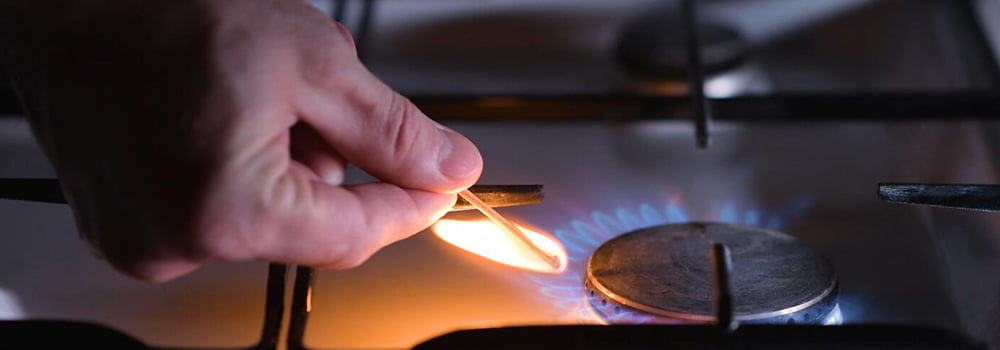
1. Combustion equipment: such as coal stoves, wood stoves, gas stoves, and open fireplaces. These devices may release carbon monoxide if not properly installed or maintained.
2. Vehicle exhaust: Vehicles or other fuel-powered equipment running in a garage are also a major source of carbon monoxide.
3. Tobacco smoke: Smoking also produces carbon monoxide, especially in enclosed spaces.
4. Industrial chemicals: Certain industrial processes or chemicals used may produce carbon monoxide.
To effectively monitor indoor carbon monoxide levels, the correct installation and use of CO sensors are crucial. Here are some practical suggestions:
● Reasonably arrange CO sensors: CO sensors should be installed near each sleeping area and on every floor of the home, ensuring at least one sensor is near any device that might produce carbon monoxide.
● Regular testing and maintenance: Regularly test the function of CO sensors, and replace batteries and sensors according to the manufacturer's instructions.
● Ventilation and exhaust: Ensure all combustion equipment has proper ventilation, especially when they are in operation.
In addition to using CO sensors, understanding and taking preventive measures is equally important, including:
● Regularly check and maintain combustion equipment: Have home combustion equipment checked and maintained by professionals regularly to ensure their safe use.
● Avoid using certain equipment in enclosed spaces: For example, do not run cars or fuel engines in a garage for long periods.
● Raise awareness: Understand the symptoms of carbon monoxide poisoning (such as headache, dizziness, vomiting) and take immediate action if you feel unwell.
In summary, by correctly installing and using CO sensors, combined with regular equipment checks and proper ventilation measures, we can effectively monitor and reduce the risk of indoor carbon monoxide. Understanding the sources and preventive measures of carbon monoxide is essential for ensuring the safety of homes and workplaces.