

Technical Support:
158-7527-1139

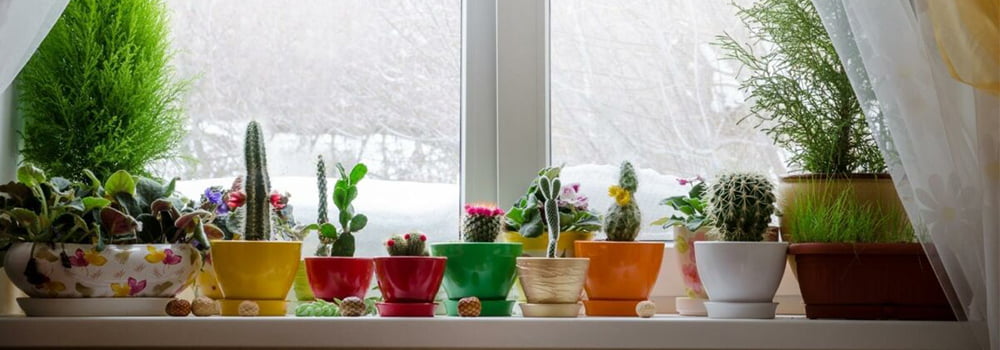
In winter, due to the drop in outdoor temperature and the use of indoor heating facilities, the air at home often becomes dry and contains more dust, which not only leads to a decrease in living comfort but may also trigger respiratory health problems. In view of this situation, we can use smart home and sensor technology to achieve automatic regulation and optimization of indoor air.
First, the introduction of air quality sensors is an important step in monitoring indoor air conditions. Modern smart home systems can usually integrate a variety of sensors, including dust (PM2.5/PM10) sensors and humidity sensors. By monitoring dust content and humidity levels in real-time, the system can automatically start corresponding equipment when pollutants exceed the standard or humidity is lower than the set value.
To address the dust issue, using an air purifier with high-efficiency HEPA filtration can significantly reduce indoor particulate matter. When the sensor detects that the dust exceeds the limit, the smart home system will start the air purifier to clear fine dust particles while filtering out potential allergens and germs.
To solve the dryness problem, a smart humidifier is an ideal choice. Data monitored by the humidity sensor will be used to control the operation of the humidifier to maintain indoor humidity at a comfortable level. To avoid other problems caused by high humidity, such as mold growth, a maximum humidity threshold can be set to ensure it does not exceed that indicator.
In addition, smart home systems can usually be remotely controlled and monitored through mobile applications. Even when not at home, you can adjust device settings and monitor indoor environmental conditions at any time. Some advanced systems can even learn the preferences of residents and automatically adjust the operating time and intensity of the equipment.
It should also be noted that regular cleaning and maintenance of these devices are key to ensuring their efficiency and extending their service life. For example, regularly replace or clean the filters of the air purifier, and clean the water tank and filter of the humidifier.
By combining smart home and sensor technology, we can effectively solve the dust and dryness problems in the home during winter, creating a healthier and more comfortable living environment, and enhancing the living experience and quality of life through automated solutions.
