

Technical Support:
158-7527-1139

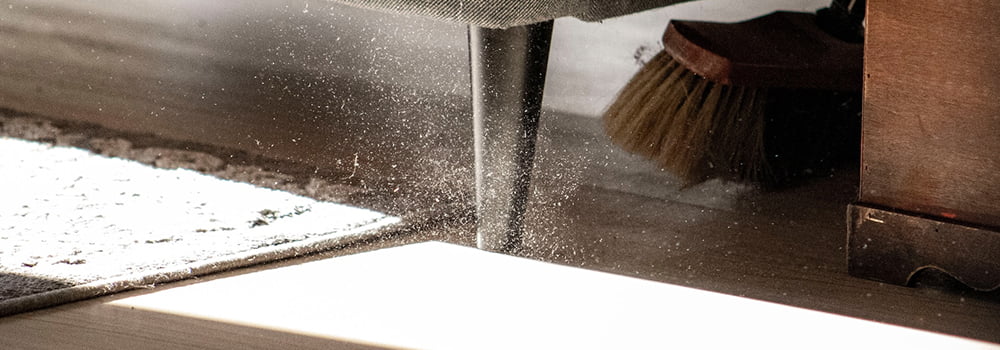
In indoor environments, monitoring dust levels is crucial for maintaining air quality and protecting occupant health. Dust may not only contain harmful substances but can also cause or exacerbate respiratory diseases. To effectively monitor indoor dust levels and take appropriate countermeasures, selecting the right tools and understanding the corresponding handling methods is key. This article will explore tool selection for indoor Dust Monitoring and strategies for responding to excessive dust content.
Selection of Dust Monitoring Tools
● Dust Sensors: Specialized Dust Sensors can monitor suspended particulate matter in indoor air in real-time. These devices are typically capable of detecting particles of different sizes, including fine PM2.5 and PM10. Some advanced sensors can even provide more detailed data, such as particle types and concentrations.
● Air Quality Monitors: These devices not only measure dust but also monitor other pollutants in the indoor environment, such as carbon dioxide and Volatile Organic Compounds (VOCs). These comprehensive monitors are suitable for users with a need for all-around monitoring of Indoor Air Quality.
● Smart Home Systems: Many Smart Home systems now integrate air quality monitoring functions, allowing users to remotely monitor indoor dust levels via mobile apps and automatically adjust Air Purifiers or ventilation systems as needed.

Strategies for Dealing with High Indoor Dust Levels
● Enhance Ventilation: Improving indoor air circulation is an effective way to reduce dust concentrations. Regularly opening windows for ventilation can help discharge accumulated dust and other pollutants.
● Use Air Purifiers: Air Purifiers can effectively filter suspended particles in indoor air, including dust, pollen, and smoke. Choosing an air purifier with a HEPA filter can remove fine particles more effectively.
● Regular Cleaning: Regular household cleaning can significantly reduce indoor dust levels. Using high-efficiency vacuum cleaners and damp cloths can reduce airborne dust, especially dust accumulated on carpets, curtains, and furniture surfaces.
● Control Humidity: Maintaining appropriate indoor humidity helps reduce the growth of dust mites and mold, which are often closely associated with indoor dust.
Monitoring and managing indoor dust is vital for maintaining good Indoor Air Quality and protecting occupant health. By using Dust Sensors, air quality monitors, and Smart Home systems, dust levels in the indoor environment can be effectively monitored. When high dust content is detected, taking appropriate measures like ventilation, cleaning, and humidity control is necessary. As technology advances, these tools and strategies will become more efficient and user-friendly, helping us create a healthier and more comfortable living environment.
