Air quality sensors serve as essential tools for monitoring indoor and outdoor environments, and their installation location has a decisive impact on the accuracy of monitoring data. This article will explore the ideal installation positions for air quality sensors, as well as how to improve monitoring effectiveness through correct installation methods.
I. Importance of Air Quality Sensors Air quality sensors can monitor pollutants in the air in real-time, such as PM2.5, PM10, sulfur dioxide, nitrogen dioxide, etc., providing us with real-time data on air quality. This data is of great significance for environmental protection, urban planning, industrial emission control, and individual health protection.
II. Installation Locations for Outdoor Air Quality Sensors The installation of outdoor air quality sensors should follow these principles:
- Representativeness: Choose a location that represents the surrounding air quality and avoid the influence of local pollution sources.
- Stability: Install in an environment with low vibration and minimal temperature and humidity changes to reduce the impact of environmental factors on monitoring results.
- Accessibility: Facilitate maintenance and calibration to ensure the long-term stable operation of the sensor.
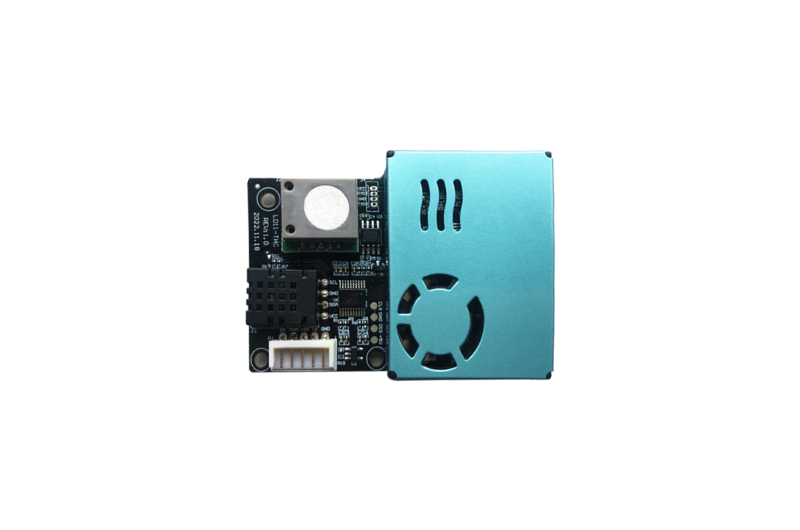
III. Installation Locations for Indoor Air Quality Sensors The installation of indoor air quality sensors should consider the following factors:
- High-density Areas: Such as offices, classrooms, and conference rooms, where personnel activities are frequent and air quality has a significant impact on health.
- Ventilation Conditions: Install in locations with good air circulation to monitor air quality more accurately.
- Avoid Interference: Stay away from air conditioning vents, smoking areas, and other places that may affect monitoring results.
IV. Installation Locations for Automotive Air Quality Sensors For automotive air quality sensors, choose:
- In-car Recirculation System: Install at the air intake of the car's air circulation system to monitor the air entering the vehicle.
- Cockpit: Install inside the cockpit to provide the driver with real-time air quality data.
V. Installation Precautions
- Avoid Direct Sunlight: Long-term direct sunlight may affect sensor performance.
- Waterproof and Moisture-proof: Especially for outdoor installations, ensure the sensor is waterproof and moisture-proof to avoid damage.
- Regular Maintenance: Regularly clean and calibrate the sensor to ensure the accuracy of monitoring data.
VI. Testing and Verification After Installation After installation is complete, the following tests should be conducted:
- Functional Testing: Ensure the sensor works correctly and data transmission is accurate.
- Accuracy Testing: Calibrate the sensor with standard gases of known concentrations to verify its accuracy.
- Stability Testing: Run the sensor for an extended period to check its stability and repeatability.
VII. Conclusion The correct installation location is crucial for the performance of air quality sensors. By following the principles and precautions mentioned above, you can ensure that the sensor provides accurate and reliable air quality data. This not only aids in environmental protection and urban planning but also provides a guarantee for individuals to breathe healthily.
Keywords: Air quality sensor, installation location, outdoor installation, indoor installation, automotive installation, monitoring accuracy, environmental monitoring, health protection.
By detailing the ideal installation locations and precautions for air quality sensors, this article aims to help readers improve the accuracy and effectiveness of air quality monitoring.



