Technical Support:
158-7527-1139


With the improvement of people’s quality of life, the attention to indoor air quality has also grown. As a key technology for assessing air freshness, indoor CO2 sensors have been widely applied in commercial, residential, and industrial environments. Accurately monitoring the CO2 content in the air helps us understand indoor ventilation and make timely adjustments, thereby ensuring the health and comfort of the indoor environment.

A carbon dioxide sensor is a sensor used to measure the concentration of CO2 in the air. CO2 is an important component of air, and its concentration is affected by human activities, cooking, combustion, etc. Excessively high indoor CO2 concentration can cause dizziness, nausea, drowsiness, and other symptoms, and can even be life-threatening. When using a CO2 sensor, the following points should be noted:

With the rapid development of smart technology, smart homes are gradually becoming a standard for modern families. Behind the intelligence, CO2 sensors, as an important technical component, are playing a key role. These sensors can not only improve indoor air quality but also help enhance the living environment, ensuring the health and comfort of users. In air quality monitoring, CO2 sensors can monitor the concentration of carbon dioxide in indoor air in real-time and transmit data to the smart home system. The system can then automatically adjust AC, fresh air systems, etc., based on changes in CO2 concentration.
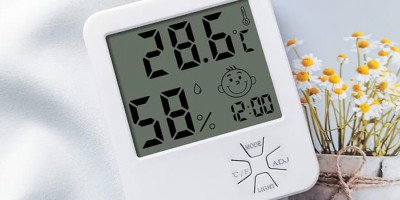
In today’s digital age, with continuous technological progress, Micro-Electro-Mechanical Systems (MEMS) temperature and humidity sensors, as an innovative technology, are gradually attracting attention. These compact and efficient sensors can not only measure environmental temperature and humidity but also play important roles in various applications.

The structure of an electrochemical formaldehyde sensor mainly includes a working electrode, a reference electrode, and an ion-conducting membrane. A potential difference exists between the working and reference electrodes. When formaldehyde molecules in the air enter the sensor through the membrane, a redox reaction occurs, generating an electron flow. The magnitude of this flow is proportional to the formaldehyde concentration in the air. By measuring the flow, the concentration can be calculated.

Particulate matter concentration in the air is one of the important indicators for assessing environmental air quality. To ensure that the air quality in our living and working spaces meets health standards, particulate matter concentration sensors have become indispensable technical devices. These sensors use different technologies and designs to monitor and report particulate matter concentration levels, providing timely environmental information and warnings. This article will delve into the principles and applications of these sensors.

When people talk about air quality, they often focus on the outdoor environment, but indoor air is equally important. Indoors, we may be exposed to various fine particles such as dust, pollen, and bacteria. These particles can have negative health effects, making indoor air quality monitoring crucial. Indoor dust concentration sensors are key devices to help us achieve this goal.

PM particulate matter sensors are used to detect the concentration of particulate matter in the air. Particulate matter refers to solid or liquid particles with a diameter less than 100 micrometers, which can come from the natural environment (such as volcanic ash, sandstorms) or human activities (such as industrial emissions, transportation). High PM concentrations are harmful to human health, so monitoring is necessary. The working principle of PM sensors is as follows:
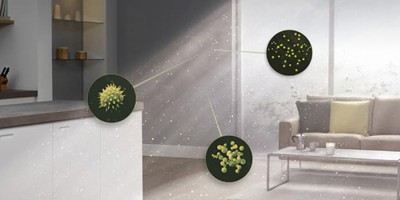
PM2.5 refers to particulate matter in the air with a diameter of 2.5 micrometers or less. It has strong penetrability and can cause serious impact on human health. Therefore, monitoring indoor PM2.5 concentration is particularly important. Currently, there are many types of indoor PM2.5 sensors on the market, and prices vary greatly. How to choose the right sensor is a concern for many consumers.

In today’s urban life, we spend most of our time indoors, so indoor air quality is vital to our health and quality of life. The PM2.5 sensor is an important tool for monitoring the content of fine particles in indoor air. However, maintaining the accuracy and functionality of the sensor requires proper care and maintenance. So, how should a PM2.5 sensor be maintained?

Automotive air quality detection sensors are important components on a car, used for real-time monitoring of air quality inside and outside the vehicle, providing data support for the vehicle’s air purification system. Currently, there are two main types of automotive air quality detection sensors: single sensors and all-in-one sensors. So, should we choose an all-in-one or a single sensor?

Particulate matter sensors are used to detect the concentration of particles in the air. Particulate matter refers to solid particles or liquid droplets with a diameter of less than 100 microns, including naturally occurring dust, smoke, and haze, as well as industrial dust and exhaust emissions generated by human activities. Particulate matter pollution poses a serious threat to human health and the environment, so monitoring and controlling its concentration is of great significance.