

Technical Support:
158-7527-1139

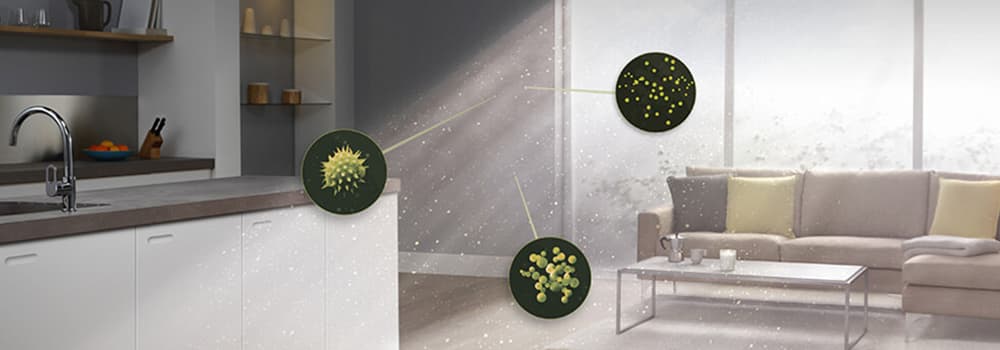
PM2.5 refers to particulate matter with a diameter of 2.5 micrometers or less. Due to its strong penetrability, it can significantly impact human health, making indoor PM2.5 sensor monitoring especially crucial.
With a wide variety of indoor PM2.5 sensors available at different price points, consumers often wonder how to choose the right one.
When selecting an indoor PM2.5 sensor, consider the following factors:
● Detection Accuracy: This is a vital performance indicator; higher precision generally ensures better data reliability.
● Detection Range: A wider range allows the sensor to be used in more diverse environments.
● Response Speed: Faster response times allow the sensor to reflect changes in air quality more effectively.
● Power Consumption: Lower power consumption typically extends the service life of the sensor.
● Price: Generally, sensors with superior accuracy, range, and speed are more expensive.
Choosing the right dust sensor is directly related to the monitoring and improvement of indoor air quality, ensuring a cleaner and healthier environment.
