Technical Support:
158-7527-1139

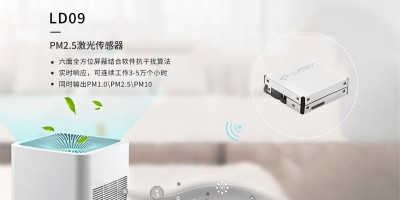
IAQ stands for Indoor Air Quality, which includes indoor temperature, humidity, air cleanliness, and fresh air volume. Previously, IAQ research focused on temperature and humidity. Recently, due to air conditioning systems, office modernization, appliance popularity, and better building insulation, indoor pollutants are not easily exchanged, leading to "Sick Building Syndrome," which has attracted wide attention. Indoor air cleanliness is now a focal point of environmental protection.
![[Science Popularization] What are the differences between sensor Sensitivity, Resolution, and Accuracy?](https://www.luftmyglobal.com/datacache/pic/400_200_23802ca74e396125e37439563a846c02.jpg "[Science Popularization] What are the differences between sensor Sensitivity, Resolution, and Accuracy?")
Driven by technology, sensors have permeated every aspect of our lives. From smartphones and smart homes to autonomous vehicles, sensors play a vital role. However, do you understand the three important performance indicators of sensors—sensitivity, resolution, and accuracy? This article will analyze the differences in detail to help you better understand sensor principles.
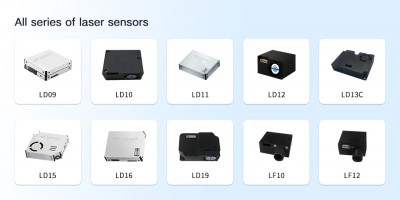
Sensing is everywhere in life; let’s explore the common types of sensors.
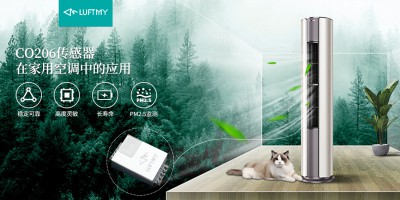
In industrial and agricultural wireless data collection, transmission, and monitoring, gas sensors are among the most frequently used sensor devices, with carbon dioxide sensors being the most common on the market. Next, Dasheng will briefly introduce various common types of CO2 sensors on the market.

Science popularization of sensor knowledge

With the pursuit of a healthy life, indoor air quality is increasingly prioritized. Pollution comes from renovation, furniture, and cooking, including formaldehyde, PM2.5, CO2, etc. Installing sensors is effective, but should you choose a single-function or all-in-one sensor? Both have pros and cons based on needs and budget.

In modern society, attention to indoor air quality is rising. Formaldehyde, a common pollutant, significantly impacts health. Formaldehyde sensors were created to monitor these levels. This article explores their working principles and detection methods.

As a key indicator of indoor air quality, CO2 concentration directly affects health and comfort. CO2 sensors act as new monitoring tools to ensure healthy breathing. Currently, common indoor CO2 sensors use Non-Dispersive Infrared (NDIR) technology, which utilizes the absorption characteristics of CO2 molecules at specific infrared wavelengths.

Indoor dust refers to fine solid particulates suspended in indoor air, including dust, smoke, pollen, bacteria, and viruses. These can cause adverse health effects like respiratory diseases, allergies, and skin issues. An indoor dust concentration sensor can detect these levels and present data in digital or graphic forms to help users understand pollution levels.
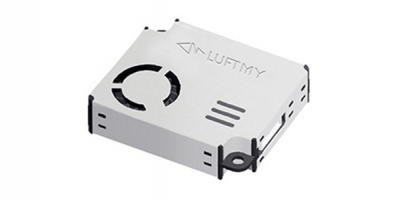
As important devices for real-time indoor air quality monitoring, PM2.5 sensors are receiving more attention. However, with various types and brands on the market, choosing one can be confusing. This article provides a detailed guide to help you choose a home PM2.5 sensor and provides a reference for others with the same questions.

With the upgraded pursuit of a quality life, more families are focusing on indoor air quality and using smart home devices to monitor and improve it. However, some families often face the problem of dust sensors frequently sounding alarms, which is troubling. In this case, we need to investigate whether the sensor has failed or if there is indeed a serious dust problem at home, and how to effectively solve it.

Formaldehyde is a colorless, volatile organic compound with a strong pungent odor and has been identified as a carcinogen by the World Health Organization. Furniture is one of the main sources of indoor formaldehyde release, and long-term exposure can cause serious harm to human health. Formaldehyde sensors can monitor indoor formaldehyde concentrations in real-time, providing consumers with intuitive data and helping them take timely measures to reduce health risks. In furniture manufacturing, formaldehyde sensors can play the following roles: