Technical Support:
158-7527-1139

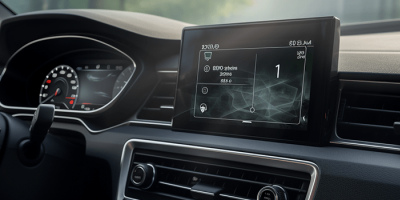
Automotive dust sensors are advanced environmental monitoring tools designed specifically to detect and analyze dust particles in the air. They are usually integrated into the air purification systems of modern vehicles, playing an important role in enhancing the driving experience and protecting the environment. These sensors typically use optical or electrochemical principles to accurately detect fine particles in the air. Optical sensors use light scattering and absorption to estimate concentration, while electrochemical sensors measure through current generated from reactions between particles and electrodes.

With the continuous progress of technology, smart homes have become an indispensable part of modern life. In the development of smart home technology, dust sensors, as a key sensing device, are not limited to robot vacuum applications. In fact, they have wide and far-reaching roles in smart homes, from improving air quality to providing environmental monitoring.

In today’s work and living environments, the air quality issues faced by offices and homes are receiving much attention. Dust sensors, as key devices for monitoring particle concentration in the air, play an important role in both environments. So, are office dust sensors and home dust sensors the same? The answer is no. They are not the same; differences exist between the two.

In today’s society, with the development of industrialization and urbanization, dust pollution has become one of the serious problems affecting the environment and health. Monitoring dust concentration is crucial for ensuring air quality, maintaining health, and ensuring workplace safety. To effectively monitor dust concentration, sensor companies have developed various advanced sensor technologies. Common dust concentration sensors include:
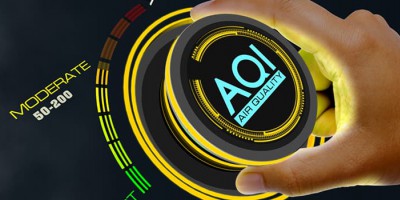
With people emphasizing health, air quality detectors are gaining more attention. They help people monitor air quality in real-time, discover air pollution problems promptly, and take measures to improve air quality. So, how do you use an air quality detector correctly? Here are some precautions:
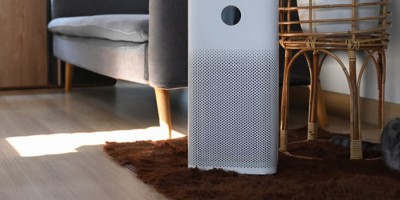
PM2.5 refers to particulate matter in the atmosphere with a diameter of less than 2.5 microns, which poses potential health hazards. These fine particles come from sources such as industrial emissions, vehicle exhaust, and combustion emissions, and their impact on the human body has received widespread attention. High concentrations of PM2.5 particles in the air are closely related to cardiovascular diseases, respiratory problems, and other health issues.
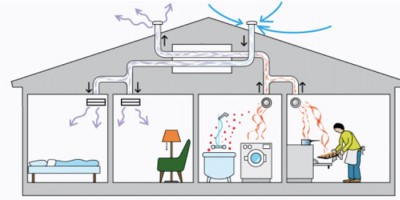
In today’s pursuit of comfortable and healthy living environments, air conditioning systems have become a necessity for many buildings. However, people often have misunderstandings regarding the different types and functions of air conditioning systems. Especially regarding the difference between fresh air systems and central air conditioning, many people are somewhat confused. So, what exactly is the difference between a fresh air system and central air conditioning? And how are they related to each other?

In modern technology, dust sensors are an indispensable technology. They not only detect the content of fine particles in the air but also play an important role in various devices and home products. By understanding their working principles and wide range of applications, we can better appreciate their importance in environmental monitoring and improving quality of life.

Indoor air quality is vital to our health and comfort, and carbon dioxide (CO2) is an important indicator that reflects air freshness and ventilation. When assessing indoor CO2 concentration, correctly placing the CO2 sensor is a key factor in ensuring accurate measurement. So, exactly where in a room should the carbon dioxide sensor be placed?

In an economically developed region like Guangdong, choosing the right sensor company is crucial. Sensors play a key role in various industries, so selecting a company that is reliable and suits your needs is vital for smooth business operations. Here are the key steps to choosing the right sensor company in the Guangdong region:

PM2.5 sensors are important components for products like air purifiers and smart homes. In Guangdong, there are numerous PM2.5 sensor suppliers; how should you choose the right one? Here are a few suggestions: