

Technical Support:
158-7527-1139


With the increase in environmental protection awareness and expansion of industrial applications, the demand for CO2 sensors is gradually rising. However, choosing a suitable CO2 sensor customization manufacturer is not a simple task. This article will provide key guidelines to help you select the right manufacturer.
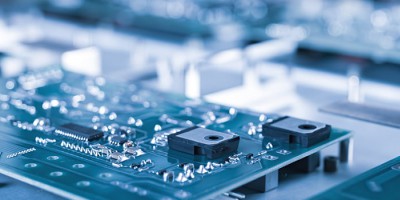
As an important environmental monitoring device, dust sensors are widely used in industrial production, construction, environmental monitoring, and other fields. To better meet the needs of different application scenarios, many companies choose to customize dust sensors. So, how much does it cost to customize a dust sensor? What factors affect the cost?
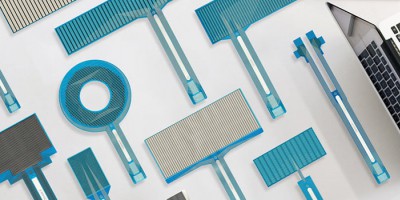
As an important environmental monitoring device, dust sensors are widely used in industrial production, construction, environmental monitoring, and other fields. To better meet the needs of different application scenarios, many companies choose to customize dust sensors. So, what factors do we need to consider when customizing dust sensors?
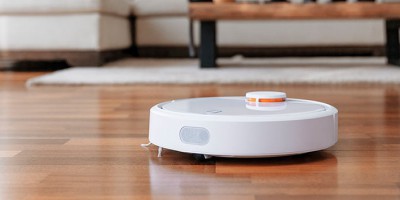
In modern life, with the continuous development of technology, smart home products have become the choice for more and more families. Among them, robot vacuums, as a representative of smart homes, have received widespread attention. Dust sensors, as an important component of robot vacuums, play a crucial role in their performance and functionality. This article will explore the advantages and disadvantages of robot vacuums equipped with dust sensors.

Even without monitoring through dust sensors, we know from experience that office renovation inevitably brings a large amount of dust. This dust not only affects the air quality of the work environment but may also cause long-term damage to office equipment. Therefore, taking effective measures to protect office equipment and avoid dust pollution is particularly important. Here are several strategies to prevent equipment from being polluted during renovation:

When exploring the many challenges of the modern work environment, office air quality undoubtedly takes center stage. As our pursuit of healthy living deepens, PM1.0 and PM2.5 particulates in the air and their potential impacts have garnered widespread attention. These tiny particles, though invisible, pose a substantial threat to our health. To answer public questions on this subject, we delve into them one by one.
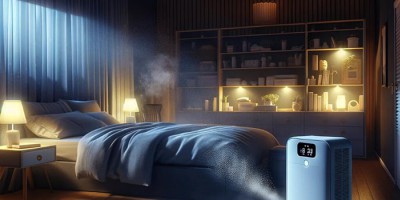
In modern home life, air purifiers and PM2.5 sensors have become important tools for monitoring and improving indoor air quality. They help us understand the concentration of suspended particulates in real-time, especially at night when these devices are particularly critical. However, many people find that while air quality remains at a relatively healthy level during the day, the air purifier seems to "go crazy" at night, working frequently, while the PM2.5 sensor shows a sudden surge. This phenomenon is not only confusing but also raises health concerns. What exactly causes the PM2.5 spike in bedrooms at night? And how can we effectively deal with this challenge?

The beauty and comfort brought by indoor renovation often come with challenges from harmful substances like formaldehyde. To ensure a healthy living environment, monitoring and treating renovation-generated formaldehyde is crucial. First, deploying formaldehyde sensors is an effective means of monitoring formaldehyde concentration in indoor air. This step not only helps us understand real-time levels but also provides a scientific basis for subsequent purification measures. Here are some effective formaldehyde treatment methods:

During indoor renovations, it is inevitable that large amounts of dust and harmful substances are generated. These particulates not only pose a threat to our respiratory system but also affect the comfort and safety of the living environment over time. In recent years, with technological advancements and the pursuit of a healthy quality of life, more families have started installing dust sensors indoors to monitor air quality in real-time. Through the data from these sensors, we can clearly see the generation of dust during the renovation process and its impact on indoor air quality. So, how should we effectively remove dust after renovation to ensure a healthy and fresh living environment?
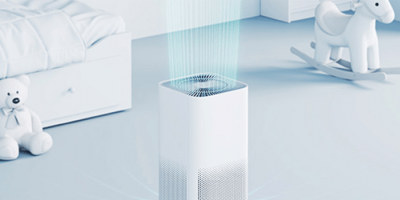
As air pollution problems become increasingly serious, air purifiers have become common devices in many homes and office environments. The primary role of an air purifier is to remove pollutants such as dust, harmful gases, and bacteria from indoor air, thereby improving air quality. However, a key question surrounding air purifiers is: Can they really effectively purify indoor air? Also, will these devices cause secondary pollution?
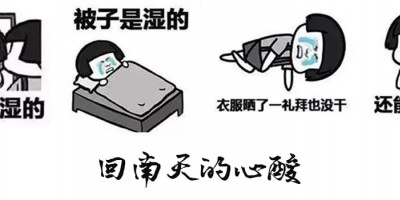
With the arrival of the "Returning South" damp weather in southern regions, indoor environments become filled with moisture and water droplets due to high humidity. Many households choose to turn on dehumidifiers and air conditioners to reduce humidity. However, this raises a key question: Does the use of these devices during this period cause a decline in indoor air quality?

Air quality is a major factor in health. People value monitoring more now, especially in indoor and outdoor settings. While functions overlap, design and application differ significantly.
