

Technical Support:
158-7527-1139

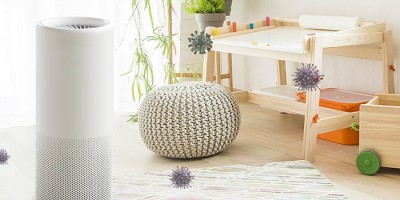
With increasing awareness of air quality and health, air cleaning and disinfection have become important concerns in modern society. Among the tools used to achieve this goal, air disinfectors play a vital role, and the function of the dust particulate sensor within them is particularly key.

In today's society, people are paying more and more attention to indoor air quality, and smart home products are favored for their ability to provide a healthier and more comfortable living environment. In smart home products, PM2.5 sensors play a vital role as a key component in ensuring air quality.

With the rise of the smart home concept, people's demand for indoor environment comfort is increasing day by day. Smart home products are developing rapidly to meet this demand. This article will focus on the key role and application of temperature and humidity sensors in smart homes.

In an era that increasingly values the environment and air quality, understanding how to choose the right CO2 sensor is crucial. These sensors help monitor CO2 concentrations in indoor and outdoor environments, promoting a healthier and safer living environment. So, in the vast sensor market, how should you purchase a CO2 sensor that suits your needs?

Gas sensors play an important role in smart home appliances. Their diverse range of applications provides a higher level of safety, comfort, and convenience for the home environment. The following are some typical applications of gas sensors in smart home appliances:

In today's society, all-in-one air quality sensors are favored in various fields due to their multifunctionality and convenience. These sensors can not only monitor particulate matter, compounds, and gas concentrations in the air but can also be applied in multiple scenarios, serving homes, workplaces, and even medical environments.

In today's society, people are paying more and more attention to air quality. Especially in urban life, air quality is directly related to our health and comfort. With technological progress, all-in-one air quality sensors have emerged, becoming important tools for understanding and monitoring air quality. These sensors integrate multiple functions, providing us with more comprehensive air quality data so we can more effectively manage and improve our environment.

In today's fast-paced life, we often overlook something vital—the air quality inside our vehicles. This article will take you into the world of in-vehicle air quality, exploring its potential impact on our health and how to use advanced technology to ensure our health and safety inside the car.

A dust particle sensor is a powerful tool that helps you monitor and improve the air quality in your living or working space. Its installation and correct use will be your first step in protecting your health.

Dust particles may seem insignificant on the surface, but they hide potential threats to human health. They can carry various harmful substances such as pollen, mold, bacteria, and viruses, becoming one of the main sources of indoor air pollution. In this context, the emergence of dust particle sensors is precisely to capture and address these tiny yet far-reaching health threats.

Although we often overlook indoor air quality in our daily lives, it is undeniably an important part. Indoor CO2 sensors play a key role in maintaining a good indoor environment. Regarding indoor CO2 sensors, we often have a question: what is the normal measurement range? To help everyone better resolve this doubt, Guangzhou Luftmy will answer from multiple perspectives below:
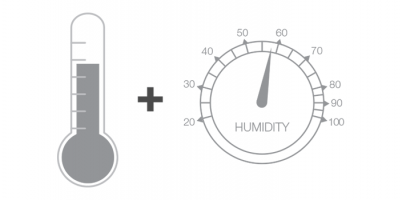
Temperature and humidity sensors are used to measure temperature and humidity and are widely used in industrial, agricultural, and home fields. To know the price range of temperature and humidity sensors, we first need to understand the factors that affect their price. The following points are common factors that can influence the price of temperature and humidity sensors:
