

Technical Support:
158-7527-1139

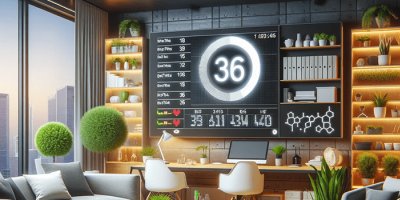
Air quality has become an important environmental factor affecting our work and lives. To understand and control the air quality in our environment, choosing the right air quality monitoring sensor is crucial. This comprehensive guide will help you understand different sensor types and their applications to make an informed choice.

CO2 is a common gas in the air, with a normal concentration around 400ppm. When indoor CO2 concentration exceeds 1000ppm, it is considered above the limit. Excessive indoor CO2 can lead to symptoms like dizziness, fatigue, and lack of concentration; in severe cases, it can cause respiratory diseases. So, when indoor CO2 is too high, can we use CO2 sensors to handle the situation?

In global efforts to combat climate change, understanding and monitoring greenhouse gas emissions has become a vital task. As one of the world's largest emitters of greenhouse gases, China's actions in reducing emissions have a major impact on global climate change. Carbon dioxide (CO2) sensors play a crucial role in monitoring and managing these emissions. This article aims to explore the basic status of China's greenhouse gas emissions and the importance of CO2 sensors in environmental monitoring and industrial applications.
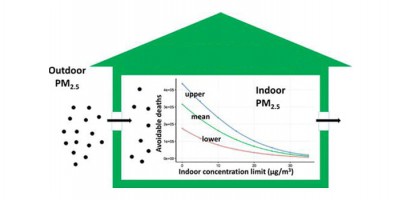
Air quality has become a major health topic in modern life, and in this invisible battle, PM2.5 is undoubtedly a key indicator. Especially in closed indoor environments, understanding the normal standards for PM2.5 and its monitoring principles is particularly important. This article will explore the health thresholds for indoor PM2.5 and analyze how PM2.5 sensors work.

With continuous technological progress, smart home systems have become an important part of modern households. In this field, the application of all-in-one sensors is particularly critical, as they integrate multiple monitoring functions to greatly enhance the capability and efficiency of smart home systems. This article will explore the applications and advantages of all-in-one sensors in smart home systems.

In indoor environments, monitoring dust content is very important for maintaining air quality and protecting occupant health. Dust may contain harmful substances and can cause or exacerbate respiratory diseases. To effectively monitor indoor dust levels and take appropriate countermeasures, choosing the right tools and understanding handling methods is key. This article will explore tool selection for indoor dust monitoring and strategies for when dust levels are too high.
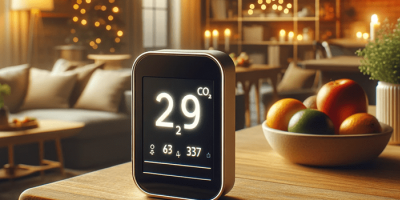
In modern living environments, we spend most of our time indoors, making the health impacts of indoor air quality a growing concern. In particular, as an important component of indoor air, carbon dioxide (CO2) concentration levels have direct and far-reaching effects on human health. This article will comprehensively discuss the impact of indoor CO2 levels on human health and the necessity of monitoring these levels.

After a new home is renovated, everyone wishes to move in as soon as possible. However, many are troubled by formaldehyde released from decoration materials, forcing them to postpone their move-in plans. Formaldehyde, a volatile organic compound (VOC), not only has a pungent odor but is also harmful to human health. So, how can we determine when the formaldehyde has dissipated, and what methods can accelerate this process?

In modern office environments, maintaining good indoor air quality is key to ensuring employee health and improving productivity. As a vital indicator of indoor air quality, carbon dioxide (CO2) concentration levels significantly impact the office environment and employee health and performance. So, what adverse effects occur if the CO2 concentration in the office is too high?
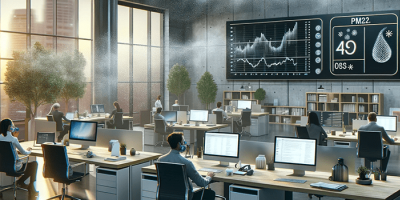
In modern office environments, maintaining good air quality is one of the key factors in ensuring employee health and improving work efficiency. PM2.5, which refers to particulate matter with a diameter less than or equal to 2.5 microns, is a significant component of air pollution. Due to its tiny size, PM2.5 can penetrate deep into the lungs and even enter the bloodstream, posing a serious threat to human health. Therefore, real-time monitoring of PM2.5 levels in the office is of great importance.
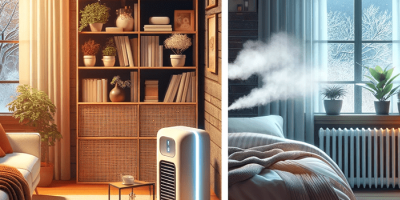
Managing the living environment in winter, especially balancing air quality and comfort, is a challenge. Opening windows brings fresh air but also dust and cold; closing them keeps it warm but leads to stuffiness and high CO2. How do we find the balance?

On a winter morning, when sunlight spills in, you might notice tiny particles dancing in the light. This may lead you to wonder: is my environment full of dust? More importantly, how can I determine if these levels exceed standards and how to respond?
