

Technical Support:
158-7527-1139

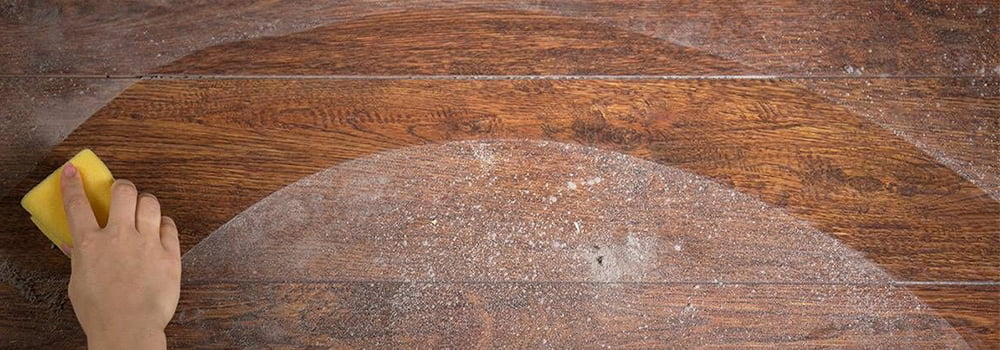
Dust sensors, as members of modern smart home systems, are gradually demonstrating their important role in home environment management. These small devices can detect and quantify dust particles in the air, helping home users control and improve indoor air quality more effectively.
Dust is a common source of air pollution in the home. Long-term inhalation of dust-laden air can have adverse effects on human health, especially for people with respiratory diseases such as asthma. Dust sensors can monitor the dust levels in the home in a timely manner, providing a healthier living environment for the family.
In smart homes, dust sensors often work in conjunction with other smart devices to play a variety of roles:
● Real-time Air Quality Monitoring: Dust sensors can monitor indoor and outdoor air quality in real time and inform users of the current environmental conditions through data display.
● Improving Cleaning Efficiency: Linked with robot vacuums, they can automatically perform cleaning based on the detected dust data or optimize cleaning paths and frequencies, thereby improving household cleaning efficiency.
● Improving Respiratory Health: By monitoring and reporting high dust concentrations in real time, family members can take timely measures such as ventilation and air purification to reduce the occurrence of respiratory diseases.
● Enhancing Living Comfort: Understanding indoor air quality and taking timely measures to reduce dust can enhance living comfort.
● Energy Saving and Environmental Protection: Reducing the use of electricity caused by frequent cleaning, and optimizing energy consumption in coordination with smart home systems to achieve the goals of energy saving and environmental protection.
Dust sensors usually utilize the principle of light scattering to detect the concentration of suspended solids in the air by measuring the effect of dust particles on light scattering. Some advanced sensors can also distinguish between different sizes of particulate matter, such as PM2.5 and PM10, which are key focuses of public health.
When using dust sensors, users can set specific thresholds. When the dust level exceeds this threshold, the sensor will issue an alert and activate devices such as air purifiers through the smart home system as a preventive measure to reduce indoor pollution.
Furthermore, as technology develops, the cost of sensors is decreasing, making these devices more user-friendly and accessible to the public. In the future, dust sensors are expected to become standard equipment in every home, enhancing our living experience in a smarter, more effective, and more environmentally friendly way.
In summary, dust sensors provide a simple yet efficient solution for keeping indoor air clean and improving the quality of living. They herald an increasingly intelligent home environment, playing a vital role in ensuring health and comfort.
