

Technical Support:
158-7527-1139

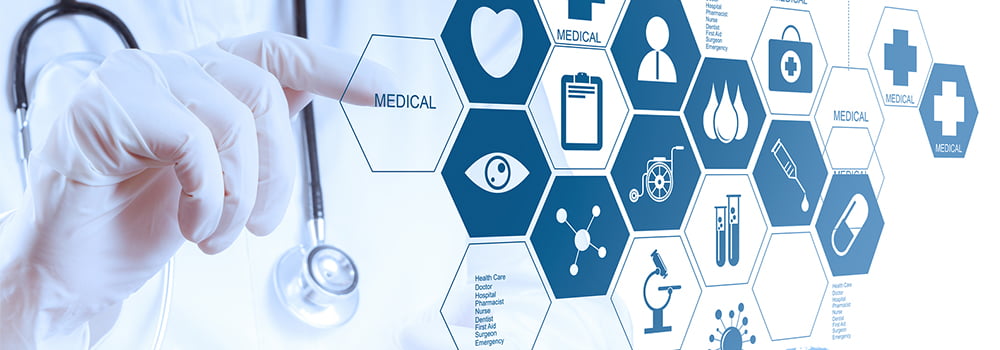
In the field of modern medicine, rapid technological development is providing doctors with unprecedented tools and resources to diagnose and treat diseases more accurately. Among them, the application of sensor technology has become a major revolution in medicine, providing doctors with valuable data and information to help them make more precise diagnoses.
Ubiquitous Sensors
Sensors play multiple key roles in medical diagnosis. Whether inside a patient's body or in the external environment, sensors can monitor and record various biological data and parameters. Here are some common applications:
● Biosignal Monitoring: Biosensors can monitor vital signs such as heart rate, blood pressure, respiratory rate, and body temperature. These sensors provide the data essential for doctors when monitoring patients, especially during emergency care and surgery.
● Imaging Sensors: Sensors in medical imaging, such as X-ray, CT scans, MRI, and ultrasound, provide non-invasive ways to obtain detailed images of internal organs. These images are crucial for diagnosis and treatment planning.
● Biomarker Detection: Sensors can be used to detect biomarkers such as proteins, hormones, and genes. This is vital for cancer screening, disease diagnosis, and the development of personalized drug therapy plans.
Precise Diagnosis
The application of sensor technology provides doctors with more data sources, helping to diagnose and treat patients more accurately. Here are some ways sensors improve medical diagnosis:
● Early Disease Diagnosis: Biosensors can detect minute biomarkers, aiding in the early diagnosis of diseases such as cancer or diabetes. This provides opportunities for early treatment and increases cure rates.
● Real-time Monitoring: Biosensors and monitoring devices can provide real-time biological data, allowing doctors to monitor a patient's health status at any time and take timely measures to ensure safety and recovery.
● Precise Surgery: During surgical procedures, imaging sensors can provide high-resolution images to help surgeons position and operate precisely, reducing surgical risks.
Future Outlook
As technology continues to advance, the medical field will continue to benefit from the development of sensor technology. In the future, we can expect more miniaturized and portable sensors, as well as more complex data analysis tools, making medical diagnosis more precise and personalized.
In summary, sensor technology is playing a revolutionary role in medicine, helping doctors perform more accurate diagnosis and treatment. This not only increases the chances of early disease diagnosis but also improves the quality of life for patients. Sensors have become a powerful assistant in medicine, guarding our health.
