Air quality sensors are vital devices for monitoring air quality in modern life. They help us understand the air quality of our surrounding environment, enabling us to take corresponding measures to protect the health of ourselves and our families. This article will detail how to use air quality sensors and recommend an efficient and accurate air quality monitoring device—the LUFTMY air quality sensor.
1. Understand Basic Parameters
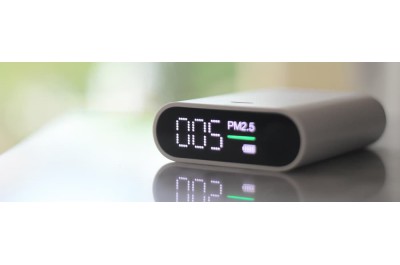
Before using an air quality sensor, you first need to understand the basic parameters it monitors, such as PM2.5, PM10, CO2, VOCs, etc., as well as the normal ranges for these parameters.
2. Install the Sensor
Select a suitable location for installation according to the sensor's installation guide. Typically, the sensor should be installed in a well-ventilated area away from pollution sources.
3. Connect Power
Ensure the sensor is correctly connected to the power supply and follow the manual to turn it on.
4. Configure the Device
Most modern air quality sensors support configuration via smartphones or computers. Download the corresponding application or log in to the web platform, and follow the instructions to complete the device configuration.
5. Set Alarm Thresholds
Set alarm thresholds based on personal needs and health standards. When air quality falls below the set threshold, the sensor will issue a warning.
6. Regular Calibration
To ensure the accuracy of monitoring data, regular calibration of the sensor is required. Some sensors may require manual calibration, while some advanced sensors feature auto-calibration capabilities.
7. Maintenance and Cleaning
Regularly clean the sensor, especially the filter mesh and sensor probe, to maintain its performance and extend its service life.
8. Reading Data
Read air quality data through the sensor's display screen or connected devices, and take appropriate action based on the data.
9. Sharing Data
If the sensor supports it, you can share monitoring data with family or friends to collectively pay attention to air quality.
1. Easy to Operate
The user interface of LUFTMY sensors is friendly and operation is simple, allowing even non-professionals to get started quickly.
2. High-Precision Monitoring
Advanced monitoring technology is used to ensure the accuracy and reliability of data.
3. Real-Time Data Updates
The sensor can update air quality data in real-time, allowing users to know the current air status at any time.
4. Intelligent Alarm System
Equipped with an intelligent alarm function, it issues timely warnings when air quality falls below pre-set thresholds.
5. Multi-Functional Integration
LUFTMY sensors can not only monitor air quality but also integrate with other smart home devices to achieve more intelligent home environment control.
6. Long-Lasting Battery
If the sensor supports battery power, it usually features a long-lasting battery design, reducing charging frequency and improving convenience.
Conclusion
The correct use of air quality sensors is crucial for protecting our health and improving our quality of life. The LUFTMY air quality sensor, with its features of easy operation, high-precision monitoring, real-time data updates, intelligent alarm system, multi-functional integration, and long-lasting battery, provides users with a comprehensive and reliable air quality monitoring solution. Whether for homes, offices, or schools, LUFTMY sensors are your ideal choice for monitoring and managing air quality.
Please note that the above content is a sample article, and actual product features and performance should be based on official information provided by LUFTMY. When writing related articles or making product recommendations, it is recommended to conduct detailed market research and product testing to ensure the accuracy and reliability of the information.



