Working Principle of Air Quality Sensors: Intelligent Eyes of Environmental Monitoring
The quality of air directly affects people's quality of life and health. As environmental pollution issues become increasingly severe, the importance of air quality sensors as an essential tool for monitoring air quality has become more prominent. This article will delve into the working principles of air quality sensors, revealing how this "intelligent eye" of environmental monitoring safeguards fresh air for us.
I. Importance of Air Quality Air quality is directly related to people's respiratory health; high-quality air can reduce respiratory diseases and improve the quality of life. Conversely, polluted air may trigger various health problems, including asthma and heart disease.
II. Role of Air Quality Sensors An air quality sensor is a high-tech monitoring device capable of real-time detection of various pollutants in the air, such as PM2.5, PM10, sulfur dioxide, nitrogen dioxide, carbon monoxide, and ozone, providing data support for environmental protection and personal health.
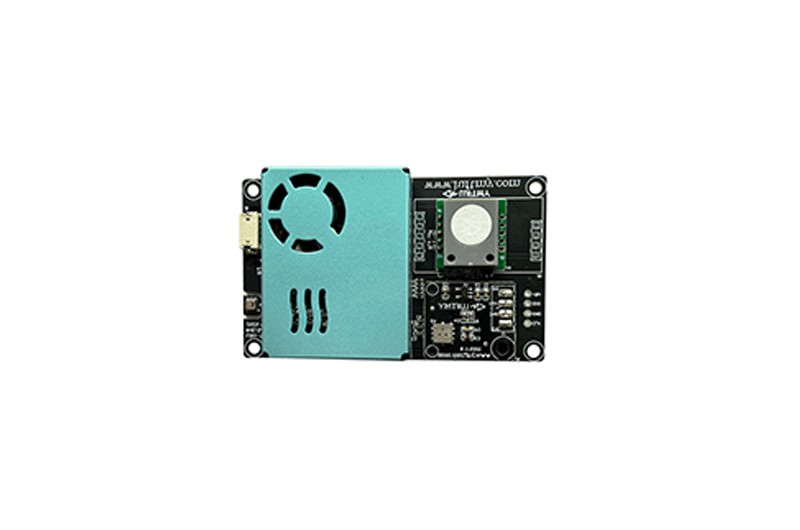
III. Working Principle of Air Quality Sensors An air quality sensor usually consists of multiple sub-sensors, each responsible for detecting one or several specific pollutants. The following are introductions to several common pollutant detection principles:
-
Particulate Matter Sensors (such as PM2.5 and PM10): These typically use the principle of light scattering. When particles in the air pass through a laser or LED light source, they scatter the light, and the intensity of the scattered light is proportional to the concentration of the particles.
-
Gas Sensors: Gas sensors usually work based on electrochemical principles or metal oxide semiconductor (MOS) principles. Electrochemical sensors detect gas concentration through changes in electric current produced by chemical reactions; MOS sensors detect gas concentration through changes in resistance caused by chemical reactions between the gas and the sensor surface.
-
Infrared Sensors: Infrared sensors utilize the specific absorption characteristics of certain gases for infrared light, determining gas concentration by measuring the absorption spectrum.
IV. Composition of Air Quality Sensors A complete air quality monitoring system usually includes the following parts:
- Sampling Unit: Responsible for collecting air samples.
- Sensor Unit: Contains multiple sub-sensors for detecting different pollutants.
- Data Processing Unit: Processes and analyzes the data collected by the sensors.
- Display and Transmission Unit: Displays the processed data in digital or graphical formats and can transmit it to a monitoring center via wireless networks.
V. Applications of Air Quality Sensors Air quality sensors are widely used in indoor and outdoor environmental monitoring, industrial process control, smart home systems, automotive air purification systems, agricultural environmental monitoring, and other fields.
VI. Development Trends of Sensors With the advancement of technology, future air quality sensors will become more intelligent, miniaturized, and low-power, with the ability to integrate detection functions for a wider variety of pollutants. Simultaneously, through IoT technology, air quality sensors will enable broader data sharing and intelligent analysis.
VII. Conclusion As the intelligent eye of environmental monitoring, the precise monitoring capability of air quality sensors is vital for environmental protection and personal health. With the increasing social demand for environmental quality, the application of air quality sensors will become more widespread, making them an indispensable part of our lives. We hope that through this introduction, readers will gain a deeper understanding of air quality sensors and recognize their critical role in modern society.
This article detailed the working principle and environmental monitoring applications of air quality sensors, aiming to improve public awareness of air quality monitoring technology and promote environmental consciousness. We hope this helps readers better understand air quality sensors and work together toward improving air quality and protecting the environment.



