

Technical Support:
158-7527-1139


In modern life, maintaining indoor air quality is vital for health. Indoor dust not only affects air quality but can also pose a threat to human health. Therefore, effectively monitoring indoor dust levels is key to ensuring a healthy living environment. So, how should we monitor indoor dust levels?

With the acceleration of urbanization, living near busy roads has become a reality for many. While such a living environment is convenient, it also comes with various health risks, one of which is dust and particulate matter in the air. In recent years, more and more studies have shown that long-term exposure to high concentrations of dust may have adverse effects on human health. Therefore, effective monitoring of indoor dust has become a topic worth exploring.

In modern office environments, the importance of air quality is increasingly being recognized, especially the impact of carbon dioxide (CO2) concentration on employee health and work efficiency. With enhanced building airtightness and dense personnel in offices, CO2 concentrations may exceed healthy levels, leading to a series of problems.

Indoor air quality has a profound impact on the health and quality of life of residents. Especially PM2.5 particles, due to their tiny size, can penetrate deep into the lungs; long-term exposure may lead to various respiratory diseases. Therefore, monitoring and improving indoor air quality has become an important part of modern home health management.

In an era of concern for indoor air quality, understanding the carbon dioxide (CO2) content indoors has become increasingly important. CO2 levels are a key indicator for assessing indoor air quality, especially in enclosed spaces such as offices, classrooms, or home environments. High CO2 concentrations can not only lead to headaches, fatigue, and lack of concentration, but can also affect overall health. Therefore, accurately measuring indoor CO2 levels is an important step in ensuring a healthy living environment. This article will introduce several methods for measuring indoor CO2 content.

When discussing air quality issues, we often encounter two terms: haze and PM2.5. Although these two words are often used interchangeably in daily conversation, they have unique definitions and meanings in environmental science. This article aims to clarify the differences and connections between haze and PM2.5, and briefly discuss the role of PM2.5 sensors in monitoring these two indicators.

The rapid development of smart home systems has brought unprecedented convenience and security to modern home life. In particular, the application of all-in-one gas sensors in smart home systems has opened a new era for home environmental monitoring and management. By monitoring and regulating indoor air quality, these sensors not only improve living comfort but also significantly enhance home safety. The following are the main effects that can be achieved by pairing smart homes with all-in-one gas sensors:

In industrial environments, especially in factories, the presence of dust is a common problem. This dust not only affects the cleanliness of the working environment but also poses a threat to the health of the workers. This article will discuss the impact of factory dust on human health and propose effective solution strategies.

In today’s era of frequent haze, people often focus on outdoor air quality but neglect the importance of indoor air quality. When haze strikes, many people believe that indoor air is safer and cleaner than outdoor air. However, this view is not always correct. This article aims to explore the reality of home air quality during hazy weather and emphasize the important role of PM2.5 sensors in monitoring and improving indoor air quality.
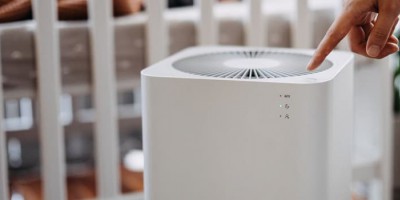
In modern society, with the improvement of life quality, people pay more and more attention to the health of their living environment. The management of indoor air quality has become an important part of healthy home life. As one of the common indoor pollutants, dust poses a potential threat to human health. These tiny particles may not only cause respiratory diseases but also carry harmful microorganisms. In this context, air purifiers, as effective tools for improving indoor air quality, have become widely popular. But how do air purifiers identify and filter out these tiny dust particles?
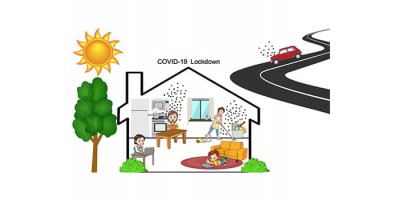
In the fields of environmental monitoring and air quality assessment, laser sensors have become important tools for detecting the content of particulate matter (such as PM2.5 and PM10) in the air. However, regarding the reliability of using laser sensors for precise measurement, many people may have questions: how can we be sure that the particulate matter content detected by laser sensors is accurate? To answer this question, we need to explore the working principles of laser sensors, the calibration process, and the influence of external factors.

Haze weather phenomena have gradually become a norm in many cities, affecting not only our daily lives but also posing a threat to our health. Haze is mainly composed of PM2.5 (particles with a diameter of 2.5 micrometers or less) and other harmful particulate matter. These tiny particles can penetrate deep into the lungs and even enter the bloodstream, causing various respiratory diseases and other health problems. Therefore, understanding the composition and hazards of haze, as well as learning to take effective self-protection measures in hazy weather, is crucial for everyone.
