

Technical Support:
158-7527-1139

![Dust Concentration Sensor Working Principle [Safeguarding Your Respiratory Health]](https://www.luftmyglobal.com/datacache/pic/400_200_8b6c893863df80d4e0d929c7188958b3.jpg "Dust Concentration Sensor Working Principle [Safeguarding Your Respiratory Health]")
The working principle of dust concentration sensors is quite simple. It measures atmospheric dust concentration via a laser transmitter and photoelectric receiver. When the laser hits dust, it scatters; the receiver catches this, converts it to an electrical signal, and calculates concentration data.
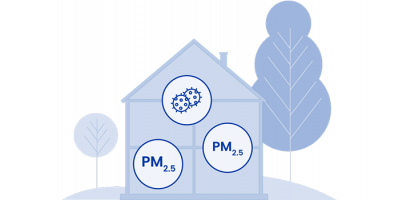
PM2.5, fine particulates less than 2.5 microns, can enter lungs and blood, posing health risks. Using sensors to monitor air quality provides an intuitive look at concentrations. So, what PM2.5 value is considered normal?

In modern offices, air quality is vital for employee health and productivity. CO2 sensors provide real-time monitoring to ensure healthy breathing. To maximize their effect, installation position and height are crucial.

Indoor dust is a major health factor, especially for those with respiratory conditions. As a tool for guarding respiratory health, these sensors monitor dust concentrations and issue alerts to prompt air quality improvements. What is the typical alarm concentration for these sensors?

As attention to air quality increases, CO2 sensors are becoming popular. However, many don’t understand the difference between indoor and outdoor models, leading to purchase and usage errors. This article elaborates on the differences to help readers make better choices.

When buying solid wood furniture, we hope for healthy and environmentally friendly products, but sometimes they may contain excessive formaldehyde, threatening our health. How can we judge if they contain excessive formaldehyde? And how should we handle it?
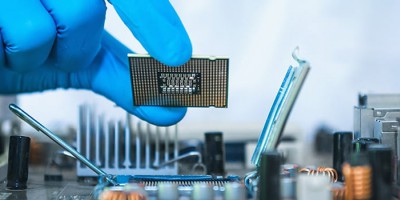
As key components for perceiving external environmental information, sensors play an important role in industrial production, environmental monitoring, medical health, and other fields. With the development of technology and diversification of application needs, customized sensors have gradually become an important choice to meet specific requirements. Do you know the difference between customized sensors and standard sensors?

Air purifiers are vital tools today. They are key to reducing PM2.5. When using sensors to track their effect, we see a significant drop. But how low can it go?

Monitoring air quality is vital for health. CO2 is a key indicator affecting comfort and health. Using CO2 sensors is common now, but when levels are slightly high, many worry about the threat to health.

Formaldehyde in newly renovated houses is a major topic. This harmful substance often exists in high concentrations in new homes, primarily from building materials and furniture. Even without a sensor, many recognize its presence. Formaldehyde is harmful to adults and even more so to children, whose immune systems are not fully developed.

With increased emphasis on indoor air quality, people are more concerned about pollution in their living environments. Especially for families living near busy roads, they face potential health threats from dust, PM2.5, and other particulates. Whether these conditions increase the risk of serious diseases like pneumoconiosis is a topic worth exploring.

Monitoring indoor air quality has become increasingly important in modern homes and workplaces. Among pollutants, Carbon Monoxide (CO)—a colorless, odorless, toxic gas—is particularly critical to monitor. We can use CO sensors to track levels, but we often do not know the specific source. This not only increases risks but complicates prevention. This article explores how to track indoor CO sources and use sensors to effectively monitor and reduce threats.
