

Technical Support:
158-7527-1139

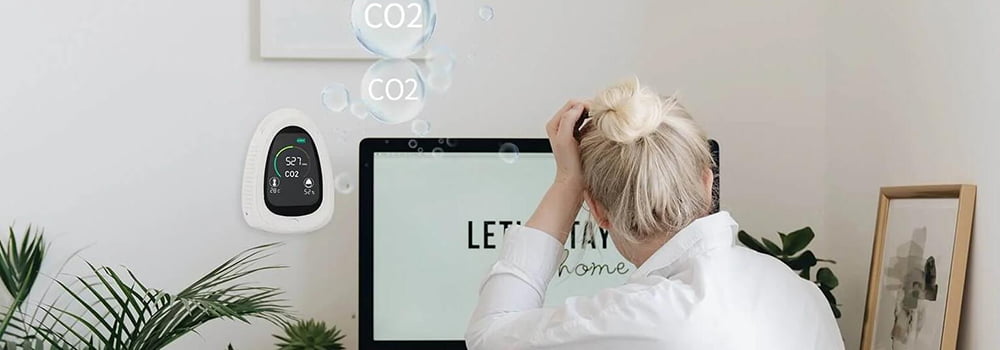
In modern indoor environment management, monitoring air quality has become an important aspect of ensuring health. Among them, carbon dioxide (CO2), as a key indicator of indoor air quality, directly affects the comfort of the indoor environment and human health. With technological progress, using CO2 sensors to monitor the concentration of carbon dioxide in indoor air has become a common practice. However, when sensors show slightly high carbon dioxide levels, many people may worry about whether this poses a threat to health.
First, understanding the role of carbon dioxide in indoor air is crucial. Carbon dioxide is a colorless and odorless gas, typically produced by human respiration, the operation of certain equipment, and chemical reactions within buildings. Under normal circumstances, the concentration of indoor carbon dioxide is relatively low and insufficient to affect health. However, when indoor ventilation is poor or personnel are dense, the concentration of carbon dioxide may rise.
A slight increase in carbon dioxide content usually does not cause immediate health hazards. However, staying in an environment with high carbon dioxide concentrations for a long time may cause symptoms such as headache, fatigue, and decreased concentration; in severe cases, it may also trigger problems such as rapid heartbeat and increased blood pressure. Therefore, although a slight increase in carbon dioxide concentration will not lead to serious health problems, it should still receive attention.
Regarding the safety standards for indoor carbon dioxide content, different countries and organizations have different recommended values. Generally, maintaining an indoor carbon dioxide concentration below 1000ppm is considered relatively safe and comfortable. When the concentration exceeds this level, measures need to be taken to reduce indoor carbon dioxide levels.
To keep indoor carbon dioxide content at safe levels, the following measures are necessary:
● Strengthen ventilation: Regularly opening windows or using ventilation systems to improve indoor air circulation helps reduce carbon dioxide concentration.
● Control the number of indoor personnel: Avoid long-term gatherings of too many people in enclosed spaces.
● Indoor plants: Certain indoor plants can absorb carbon dioxide and release oxygen, helping to improve indoor air quality.
● Monitor air quality: Regularly use CO2 sensors to monitor air quality and stay informed about indoor carbon dioxide levels.
In summary, although a slight increase in indoor carbon dioxide content is unlikely to cause serious health problems immediately, maintaining good indoor air quality is still an important measure for ensuring health. Through effective air management and monitoring, the comfort of the indoor environment can be ensured, while reducing health risks that may arise from high carbon dioxide concentrations.
