

Technical Support:
158-7527-1139


As people pay more attention to health, indoor air quality is receiving increasing focus. The quality of indoor air directly affects people’s physical health and quality of life. To ensure indoor air quality, indoor air quality sensors can be used for monitoring. These sensors can detect various pollutants in the air, including particulate matter, carbon dioxide, volatile organic compounds (VOCs), etc.

With the continuous acceleration of urbanization and the increase in car ownership, people’s concern for air quality is growing. In this context, the application of PM2.5 sensors in automotive air quality detection has emerged. These compact and precise sensors not only provide real-time monitoring of fine particulate matter but also provide strong support for improving the driving environment and passenger comfort. The application of PM2.5 sensors in automotive air quality detection mainly includes the following aspects:
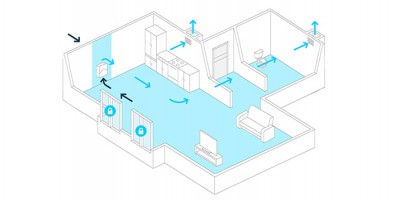
The fresh air controller is a key device in modern buildings, and its advantages and functions are vital for maintaining indoor air quality. With the growing demand for comfort and health, the role of fresh air controllers has become increasingly important. These devices have multiple advantages and functions, capable of effectively improving indoor air quality and providing a healthy and comfortable living or working environment.

Indoor air quality is directly related to our health and quality of life. With the importance of indoor space in modern life, better management of indoor carbon dioxide concentration has become a key issue. This article will explore how to reduce indoor CO2 concentrations and introduce the role and advantages of CO2 sensors in this process. High concentrations of CO2 can cause headaches, fatigue, and poor concentration. To improve indoor air quality, the following methods are feasible:

According to a forecast by the China Center for Information Industry Development, China’s smart home market will reach 500 billion yuan in 2024, with a user scale reaching 250 million households. The popularization of smart homes has made our daily lives more convenient, not only improving the quality of home life but also bringing a more intelligent lifestyle. Sensors play a key role in this, as they can perceive and collect environmental information, providing basic data support for smart home systems. Whether it is home security, environmental monitoring, appliance control, or lifestyle convenience, sensors play an indispensable role.

Formaldehyde is a colorless gas with a strong odor and is one of the main sources of indoor air pollution. It is very harmful to human health and can cause respiratory diseases, skin allergies, etc. Therefore, detecting the formaldehyde concentration in indoor air is very important. The electrochemical formaldehyde sensor is a formaldehyde sensor based on the principle of electrochemical reactions. it has the advantages of high sensitivity, rapid response, good stability, and strong anti-interference ability, and thus is widely used in indoor air quality detection.
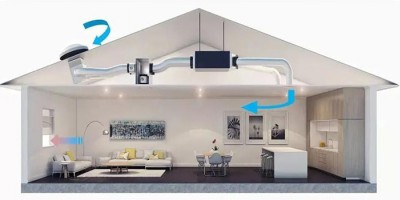
A fresh air system is a device used for indoor ventilation. it delivers fresh air into the room through a supply air system and exhausts stale indoor air through an exhaust air system. The main function of the fresh air system is to improve indoor air quality and increase indoor comfort and health. The fresh air controller is the key to ensuring the indoor air quality and comfort of the fresh air system. But what key points should be considered when choosing the right controller?
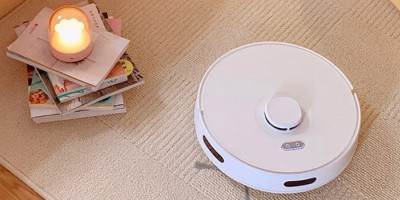
Sweeping robots often rely on dust sensors during the cleaning process to detect and locate areas that need cleaning. However, do these sensors use laser technology or infrared technology?

In today’s environment focused on health and safety, the importance of indoor air quality has become increasingly prominent. Laser dust concentration sensors have become key tools in indoor environmental monitoring. What kind of improvements can this product bring to the indoor environment, and what key factors should be considered during the selection process?

A dust concentration sensor is an important device used to measure the concentration of particulate matter in the air or liquid. It plays a key role in industrial, environmental monitoring, medical, and other fields. This article will explore the function, working principle, and different types of dust concentration sensors.
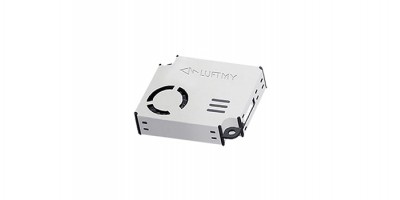
An all-in-one gas sensor is a sensor capable of simultaneously detecting multiple gases. It consists of multiple sensing elements, each responsible for detecting one type of gas. All-in-one gas sensors have the advantages of small size, light weight, low power consumption, and low cost, and are widely used in industrial, medical, and agricultural fields.

A gas sensor is a device that uses physical or chemical principles to detect gases. It plays a crucial role in safeguarding the environment and people’s health and is widely used in industry, environmental protection, medicine, and other fields. However, to ensure the accuracy and effectiveness of the sensor, it must meet a series of basic conditions to effectively monitor and identify harmful gases.
