

Technical Support:
158-7527-1139


In South China winters, without central heating, many families buy heaters. While providing comfort, their use brings safety and health considerations. Using heaters indoors carries several risks:

In daily life, home cleanliness directly affects health. Dust on windows and tables can contain harmful particles, causing allergies and respiratory risks. This article explores causes of home dust, health impacts, and how to use technology like dust sensors to effectively solve the problem.

Fine particulate matter (PM2.5) refers to particles with a diameter ≤ 2.5 microns. Due to their small size, they can penetrate deep into the lungs and even enter the bloodstream, posing a health threat. Indoor sources include cooking fumes, tobacco smoke, cleaning products, and outdoor infiltration. Controlling PM2.5 levels is an important health consideration.

In winter, due to low outdoor temperatures and indoor heating, air at home often becomes dry and dusty, leading to decreased comfort and respiratory issues. In response, we can use smart home and sensor technology for automatic air adjustment and optimization.

In the South, with winter cold, most people tend not to open windows to keep warm. However, offices are crowded places, and breathing constantly releases CO2. Without effective ventilation, concentration levels can rise, affecting comfort, health, and work efficiency.
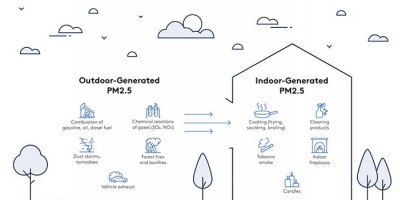
When it comes to monitoring indoor PM2.5 levels, you often face a choice between two products: a PM2.5 sensor and an air quality detector. Each has its own characteristics, and the choice should be based on monitoring needs, accuracy requirements, budget, and convenience.
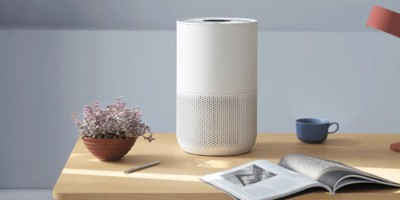
With growing focus on health and quality of life, air purifiers have become popular devices for improving indoor air quality. However, their effectiveness largely depends on internal technology and sensors, with gas sensors considered a crucial component. So, why are gas sensors key to air purifiers?

In indoor air quality management, carbon dioxide (CO2) is a vital indicator. Its concentration level is directly related to the health quality of living and working environments. In China, CO2 concentration standards are emphasized by national environmental protection departments, especially in office, educational, and residential environments.

New furniture often brings a fresh feel to a home, but it can also bring unwelcome companions like formaldehyde. Formaldehyde is a common indoor pollutant found in many furniture materials and adhesives. Long-term exposure to high concentrations can pose a health threat. Faced with new furniture, should we install a sensor for monitoring or find ways to actively eliminate it? This article analyzes the choice.

In many cultures, fireworks and firecrackers are indispensable elements for celebrating the New Year. They bring a visual feast and festive atmosphere but also a very difficult byproduct—air pollution. The smoke released contains large amounts of fine particles and harmful chemicals that can invade our homes and threaten air quality and health.

Ensuring indoor air quality has become a major concern in our daily lives. In particular, excessive carbon dioxide (CO2) can cause adverse health effects like headaches, fatigue, and difficulty concentrating. So, how can we know if indoor CO2 is too high, and what measures can effectively reduce it?
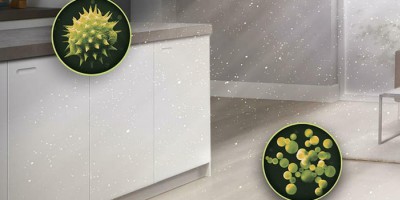
Household dust is not just a cleaning issue; it poses a threat to our health. Excessive dust can cause breathing difficulties, allergic reactions, and long-term health problems. To this end, technology provides various ways to reduce indoor dust, one of which is using dust sensors. This article will show you how to use dust sensors to monitor home air quality and provide effective strategies for control.
