Technical Support:
158-7527-1139

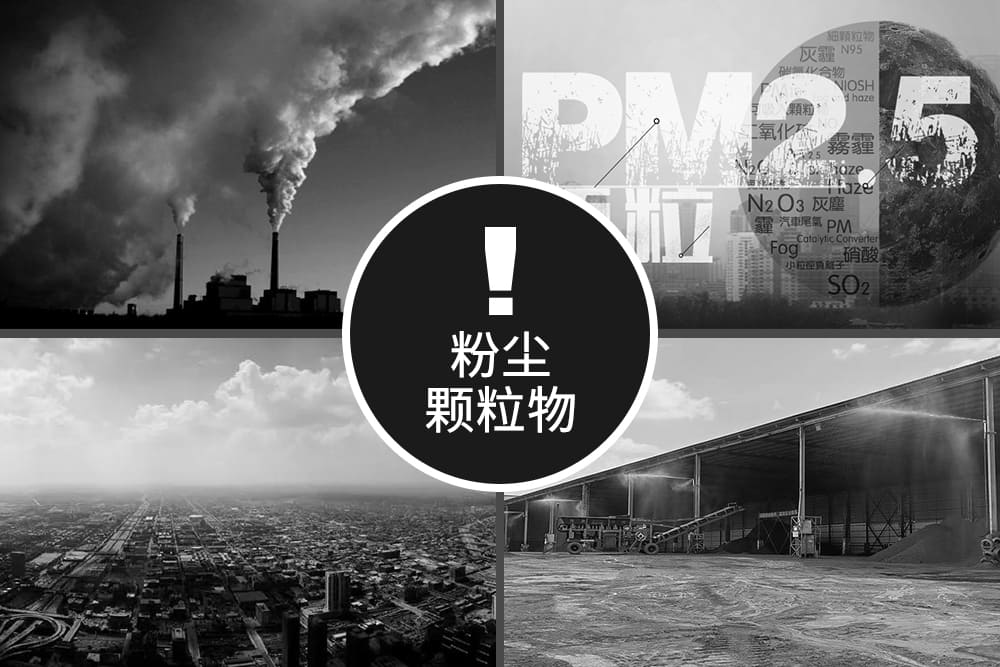
With the continuous advancement of industrialization, the problem of dust concentration has become increasingly prominent. In various industrial production processes, the generation of dust is almost inevitable. Dust not only affects equipment and products but also poses a great threat to the health of workers. Therefore, real-time monitoring and alarming through dust concentration sensors is one of the important means to ensure industrial production and personnel safety.
What is a dust concentration sensor?
A dust concentration sensor is a device used to measure the concentration of dust particles in the air. It can monitor the concentration of suspended particulate matter in the environment in real-time and transmit this information to the corresponding monitoring system. This sensor is widely used in industrial production, environmental monitoring, mining, metallurgy, building materials, and many other fields.
Working Principle of Dust Concentration Sensor
The dust concentration sensor mainly relies on the principle of light scattering. When dust particles pass through the optical area of the sensor, they scatter light. After capturing these scattered light signals, the sensor converts them into electrical signals through internal calculations, thereby deriving dust concentration data. The sensor can be set for periodic or continuous measurement and is capable of triggering an alarm based on a set concentration threshold.
Why is Dust Concentration Alarming Important?
1. Safeguarding Worker Health: Dust has toxic effects on the human body. Long-term exposure to high-concentration dust environments makes workers susceptible to respiratory diseases (such as pneumoconiosis). Dust concentration sensors can detect and alarm in time, reminding managers to take measures to reduce dust concentration and ensure worker safety.
2. Preventing Fires and Explosions: Many types of dust (such as coal dust and metal powders) are flammable and explosive under specific conditions. High-concentration dust environments not only increase the risk of fire and explosion, but once an accident occurs, the consequences will be catastrophic. Timely concentration monitoring and alarming can greatly reduce this risk.
3. Protecting Equipment: High concentrations of dust can also cause wear and damage to machinery and equipment, affecting their normal operation and lifespan. Meanwhile, equipment failure can also trigger safety accidents.
Setting the Alarm Concentration of Dust Concentration Sensors
The alarm concentration of dust concentration sensors is usually set based on the actual environment and standards. Currently, international and national standards have clear limit requirements for dust concentration in the working environment.
1. Common Dust Control Standards:
Time-Weighted Average (TWA): Refers to the average value of dust concentration to which a worker can be exposed during a normal working day (usually 8 hours). For example, if the TWA limit for a certain type of dust is 1 mg/m³, it means that the average dust concentration to which workers are exposed during a working day cannot exceed 1 mg/m³.
Short-Term Exposure Limit (STEL): Refers to the limit of dust concentration that workers can tolerate within a short period (usually 15 minutes). This standard applies to situations where a large amount of dust is suddenly generated in specific processes.
2. Methods for Selecting Alarm Concentration:
Standard-Based Setting: Set exposure limits for specific types of dust based on relevant industry and national standards.
On-site Investigation: Understand the specific conditions of dust generation through investigations of the actual working environment to set a more scientific and reasonable alarm concentration.
Historical Data Reference: Set appropriate alarm concentration values based on past monitoring data combined with risk assessments.
Installation and Maintenance of Dust Concentration Sensors
1. Selection of Installation Position:
Critical Points of the Operation Site: Such as areas for processing, grinding, cutting, and welding, where dust concentrations are usually high.
Ventilation System Outlets: Check whether the ventilation system is effectively reducing dust concentration.
Worker Breathing Zone: Ensure real-time monitoring of dust concentration within the workers' breathing zones.
2. Sensor Calibration: To ensure the accuracy of dust concentration sensors, regular calibration is essential. Sensors are prone to environmental influences after a period of use and may deviate from their original settings. By calibrating with a standard dust generator or reference instrument, the sensor readings can be adjusted to restore accuracy.
3. Regular Maintenance and Cleaning: The surface and internal optical components of the sensor are easily contaminated by dust, affecting its normal operation. Therefore, periodic cleaning and maintenance of the sensor are necessary. This not only ensures the normal operation of the sensor but also extends its service life.
Future Development of Technology and Applications
With the development of technology, dust concentration sensors are also constantly innovating and progressing. Here are some possible future development directions:
1. IoT and Intelligence: More and more dust concentration sensors have networking capabilities and can achieve remote monitoring and data analysis through the Internet of Things (IoT). Intelligent sensors can not only monitor dust concentration but also combine with big data analysis to predict future dust concentration trends, providing valuable integrated governance solutions for enterprises.
2. Multi-parameter Sensing: Future dust concentration sensors may combine multiple environmental parameters such as temperature, humidity, and atmospheric pressure to provide more comprehensive environmental monitoring data to better assess and control dust concentration.
3. Miniaturization and Portability: The development direction of miniaturization and portability will make dust concentration sensors more flexible for application in various complex environments. In fields such as mining and construction, portable dust concentration sensors can facilitate operators in performing testing anytime and anywhere.
Summary
As an important industrial safety technology, the dust concentration sensor plays a key role in numerous industries. Through real-time monitoring and alarming, enterprises can not only effectively prevent health and safety risks caused by dust but also significantly reduce the probability of equipment damage and production accidents. In the future, with the continuous advancement of technology, the performance and application fields of dust concentration sensors will be further expanded and improved, bringing higher safety guarantees to industrial production.