Technical Support:
158-7527-1139


The alarm of an indoor dust sensor usually means that the dust concentration in the air has exceeded the safe range and may pose a potential threat to health. When the sensor sounds an alarm, we should quickly take measures to ensure that the indoor air quality is effectively improved and the health and safety of the residents are protected.
At this time, we should take the following measures:
I. Take immediate action to reduce dust concentration
● Close doors and windows to prevent outdoor dust from entering.
● Use an air purifier to purify indoor air.
● Use a wet mop or vacuum cleaner to clean floors and furniture to reduce dust accumulation.
II. Identify the source of dust
● Check if there are obvious sources of dust indoors, such as construction, renovation, pets, etc.
● If the source of dust cannot be identified, you can seek help from a professional.
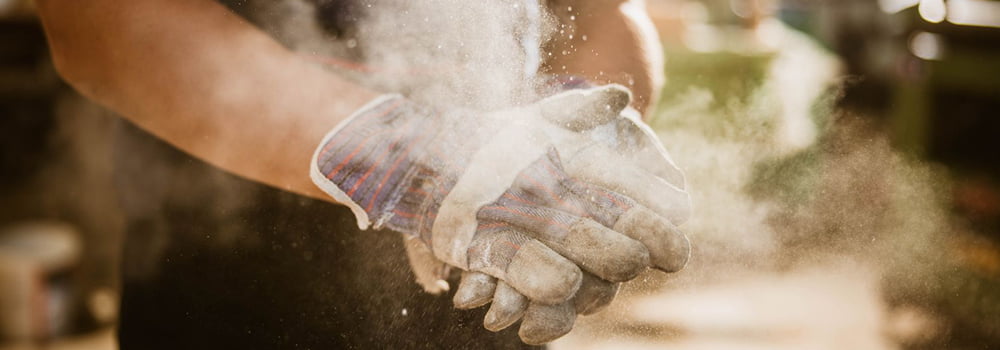
III. Take measures to prevent dust from exceeding standards again
● Regularly clean indoor hygiene to reduce dust accumulation.
● Keep indoor ventilation to reduce indoor dust accumulation.
● Choose indoor decoration materials and furniture with low dust emission.
IV. Pay attention to the health status of sensitive groups
● People with respiratory diseases and allergies should minimize the time spent indoors.
● If symptoms such as respiratory discomfort occur, seek medical attention in time.
V. Regularly check and maintain sensors
● Regularly clean the sensor surface to ensure measurement accuracy.
● Regularly calibrate the sensor to ensure accurate and reliable measurement results.

The following are some specific suggestions:
● For short-term dust exceeding standards: If the dust exceeding standard is short-term, such as during indoor renovation or dusty weather outdoors, measures such as closing doors and windows and using air purifiers can be taken to reduce the dust concentration.
● For long-term dust exceeding standards: If the dust exceeding standard is long-term, it is necessary to identify the source of the dust and take measures to eliminate it. For example, if the source of dust is pets, you can regularly bathe and groom pets; if the source of dust is indoor renovation materials, you can replace them with materials with low dust emission.
● For sensitive groups: People with respiratory diseases and allergies should pay more attention to indoor air quality. They can wear masks, reduce the time spent indoors, and undergo regular physical examinations.
Indoor dust sensors are a “secret weapon” for protecting family health. When the sensor sounds an alarm, we should take immediate action to reduce the dust concentration, identify the source of the dust, and take measures to prevent the dust from exceeding the standard again. At the same time, we should also pay attention to the health status of sensitive groups and regularly check and maintain sensors to ensure their optimal utility.