

Technical Support:
158-7527-1139

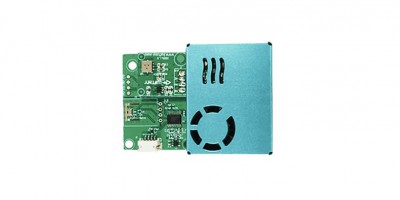
With technological progress and increasing focus on healthy living, indoor environmental monitoring has become more important. In this context, indoor all-in-one sensors have emerged, integrating multiple functions to simultaneously monitor key indicators such as temperature, humidity, CO2 concentration, volatile organic compounds (VOCs), and formaldehyde. This article will explore the necessity of indoor all-in-one sensors and their applications across various fields.

In today's society, with industrial development and mounting environmental concerns, monitoring dust in the air has become increasingly important. As an effective monitoring tool, dust sensors help us understand dust concentrations in real-time, allowing us to take measures to protect the environment and health. This article will introduce the working principles and installation guide for dust sensors in detail.

The cleanliness and tidiness of living spaces have an obvious impact on health, especially dust issues in the bedroom. Because they directly affect sleep quality and respiratory health, solutions are highly sought after. When we find too much dust in the bedroom, besides traditional cleaning methods, utilizing modern technology like dust sensors to monitor and improve indoor air quality is also very necessary. This article will explore effective methods for room air dust removal and the application of dust sensors.

Dust sensors are a key component of modern environmental monitoring equipment, used to measure and analyze dust and particulate matter in the air. To ensure the accuracy and reliability of dust sensors, regular testing and calibration are indispensable. This article will introduce test methods for dust sensors in detail, including preparation, testing steps, data analysis, and maintenance tips, aiming to provide a comprehensive guide for users.

In today's world, where environmental quality demands are increasing, dust sensors and PM2.5 sensors play vital roles as important instruments for monitoring air quality. Although they overlap in use, they differ fundamentally in design principles, monitoring objectives, and application scenarios. To better understand and apply these two sensors, this article will provide a comparative analysis of their differences.

A PM2.5 sensor is a device capable of detecting particles in the air with a diameter less than or equal to 2.5 microns. Due to their extremely small size, these particles can remain suspended in the air for long periods, significantly impacting the environment and human health. In the field of forest protection, PM2.5 sensors are playing an increasingly important role.
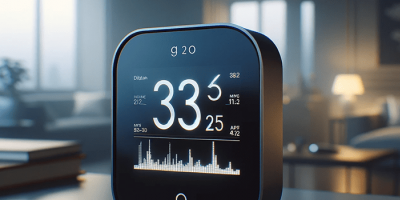
PM2.5 sensors are key tools for monitoring air quality, particularly in environmental health studies measuring harmful fine particulate matter. These particles, measuring 2.5 microns or less, are known as PM2.5 and can penetrate deep into the lungs and even enter the bloodstream, posing significant health risks. Understanding how to read and interpret PM2.5 sensor data is crucial for assessing air quality and protecting public health.

Dust sensors play an indispensable role in today's society, especially in monitoring and improving indoor and outdoor air quality. The application of these sensors significantly affects our quality of life and environmental health. If we want to know the specific role of dust sensors in monitoring and improving indoor air quality...

Before exploring the differences and advantages of dust sensors in robot vacuums versus air purifiers, we need to understand the basic principles of dust sensors and their applications in smart home devices. First, the core role of a dust sensor is to detect particulate matter in the air. These particles include dust, pollen, pet dander, smoke, and other tiny harmful particles. Different types of sensors use different technologies to measure the quantity and/or size of these particles. The most common technologies include light scattering, resistance detection, and ion counting.

With the development of technology, smart home products are becoming increasingly popular, making our lives more comfortable and convenient. Especially in winter, when the temperature difference between indoors and outdoors is large and the air is dry, having a warm and humid environment is crucial. Today, many smart home products integrate temperature and humidity sensors, which not only allow us to monitor indoor conditions in real-time but also adjust automatically as needed, greatly enhancing living comfort.

In modern homes and office environments, maintaining indoor air quality is essential for ensuring health and comfort. As an efficient monitoring tool, all-in-one gas sensors can detect multiple gases, helping you understand environmental conditions in real-time. This article aims to provide a concise guide for users with non-technical backgrounds to help you understand, choose, and effectively use these sensors.

With rapid smart home development, our lifestyle is changing. Beyond convenience, it improves environment quality and efficiency. In this wave, dust sensors play a prominent role. While simple, they manage cleaning and air quality by responding to fine particles. We know their use in robot vacuums; where else can they be used?
