

Technical Support:
158-7527-1139

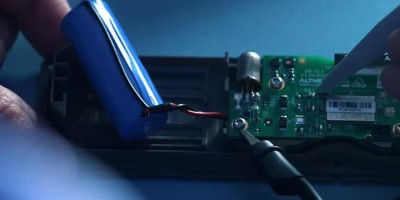
The combination of sensor and laser technologies is driving innovation in many industries, bringing revolutionary changes to precise measurement, positioning, diagnostics, and more. The following are some of the main roles of the combination of sensors and lasers, as well as their applications in various industries:

Formaldehyde, as a common harmful gas, has long been a topic of concern for many families due to its excessive levels in the home environment. Formaldehyde comes not only from furniture and decoration materials, but long-term exposure to it can also have serious impacts on human health. Therefore, accurately judging whether formaldehyde exceeds the standard at home and taking corresponding measures has become an important part of maintaining family health. In this process, the formaldehyde sensor plays an indispensable role.

With the increasing concern about the quality of the living environment, monitoring indoor air quality has become particularly important. Dust and PM2.5 (particulate matter with a diameter of 2.5 micrometers or less) are important factors affecting indoor air quality, and long-term exposure to high concentrations of PM2.5 may have serious health impacts. Therefore, effective monitoring of indoor dust and PM2.5 levels is crucial. In this regard, the application of laser sensors provides an efficient and precise solution.

With the increasing demand for air quality monitoring, laser dust sensors have become essential tools for assessing air quality. These sensors are widely used in environmental monitoring, industrial production, and indoor air quality control due to their high precision and sensitivity. However, besides performance, service life and reliability are equally important indicators for evaluating laser dust sensors. This article will discuss the lifespan and reliability of laser dust sensors and how to improve their performance life through maintenance.

With environmental pollution and air quality issues becoming increasingly serious, accurate monitoring of dust particles in the air has become particularly important. As an advanced air quality monitoring tool, the laser dust sensor can detect extremely small dust particles. This article will explore in depth the size of particulate matter that laser dust sensors can detect and their working principle.

With the rapid development of smart home technology, many devices and systems in the home have begun to integrate various advanced sensors to improve quality of life and convenience. Among them, laser sensors have become an important component of many smart home products due to their high precision and reliability. This article will explore the application of laser sensors in smart homes and how they are changing our daily lives.

As air quality issues become increasingly prominent, carbon dioxide (CO2) sensors are being used more widely in both domestic and industrial fields. They play an important role in monitoring air quality, especially CO2 concentrations. However, there are key differences between household and industrial CO2 sensors. This article aims to explore these differences and provide precautions for using CO2 sensors at home.

In modern home life, to ensure indoor air safety and health, more and more families are beginning to use all-in-one gas sensors. These sensors can monitor multiple gases, helping residents understand and deal with potential air quality issues in a timely manner. So, what types of gases do these multifunctional gas sensors generally monitor? And what precautions should be taken when using them? This article will discuss these questions in detail.

In the field of indoor air quality monitoring, the role of VOC (Volatile Organic Compound) sensors is increasingly prominent, especially in the detection of harmful gases such as formaldehyde. Whether VOC sensors can detect formaldehyde is a question worth exploring in depth, as it involves the technical principles of the sensor and its application in air quality monitoring.

Volatile Organic Compounds (VOCs) refer to organic chemicals that easily evaporate at room temperature, and they are present in many daily life and industrial activities. Monitoring VOCs is of great significance for environmental protection, industrial safety, and the maintenance of indoor air quality. VOC sensors are designed specifically to detect and quantify these compounds. This article will explore the working principles and classifications of VOC sensors and their applications in modern environmental monitoring.

In modern society, with the growing focus on indoor air quality, the application of carbon dioxide (CO2) sensors is becoming increasingly widespread. A CO2 sensor is a device that monitors the concentration of carbon dioxide in the air, which is vital for ensuring indoor air quality and improving human health and comfort levels. This article aims to analyze the key knowledge points of CO2 sensors, including their working principles, types, application areas, and installation and maintenance essentials.
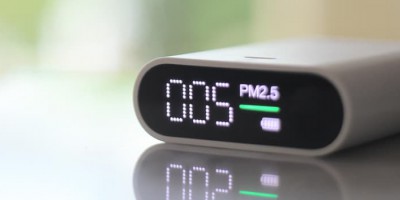
In the field of air quality monitoring, PM2.5 sensors play a crucial role in helping us identify and quantify fine particulate matter in the air. PM2.5 sensors are mainly based on two technologies: infrared and laser principles. Although both sensors are used to detect fine particles in the air, they differ significantly in working principles, detection efficiency, and application scenarios. This article aims to deeply explore the specific differences between infrared and laser PM2.5 sensors.
