Technical Support:
158-7527-1139

![[Technical Insights] Common technical problems and solutions for dust sensors](https://www.luftmyglobal.com/datacache/pic/400_200_824c82564f1cb2ebf8c474d7a648a073.jpg "[Technical Insights] Common technical problems and solutions for dust sensors")
In modern society, monitoring environmental quality has become vital. As one of the key devices for environmental monitoring, dust sensors play an indispensable role. By monitoring particulate concentration in the air in real-time, dust sensors provide important data support for environmental protection, health, and safety, ensuring people live in a clean and healthy environment. Next, let’s discuss common technical issues with dust sensors and their corresponding solutions:

The "Hui Nan Tian" damp weather in the south causes many inconveniences with its humid climate. This season leads to moldy walls and damp furniture. In this context, sensors play a key role in monitoring and control.
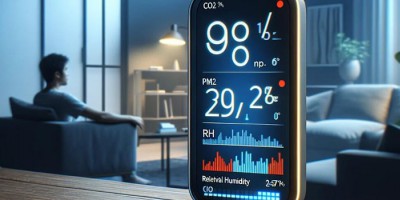
Monitoring air quality is a key topic. Monitors help you understand your environment and take steps to protect health. But with so many types, how do you pick the right one?

In an era of increasing focus on indoor air quality, monitoring indoor Carbon Dioxide (CO2) levels has become an essential part of maintaining a healthy living environment. A key question arises: should we install a CO2 sensor or purchase a gas monitor for this purpose? This article provides a detailed comparison of the functions, advantages, and limitations of both devices to help readers make an informed choice.

In the fields of air quality monitoring and safety, Carbon Monoxide (CO) sensors play a vital role. These sensors detect the concentration of carbon monoxide in the air, helping to prevent health problems or even fatal dangers caused by excessive CO. There are two main types of CO sensors on the market: Electrochemical CO sensors and MEMS (Micro-Electro-Mechanical Systems) CO sensors. Although they share the same purpose of detecting CO, there are significant differences in their design, principles, and applications.
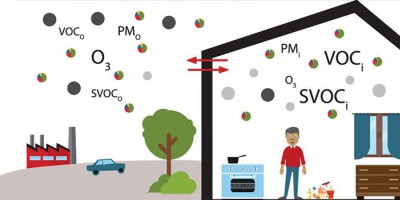
In an era where indoor air quality is a priority, residents are increasingly concerned about how to effectively monitor and improve their living environments. With technological development, all-in-one indoor air quality sensors have appeared on the market, capable of monitoring multiple indicators such as PM2.5, formaldehyde, temperature, and humidity simultaneously. While the emergence of such devices undoubtedly provides convenience for families, it also raises a key question: is the data provided by these sensors accurate?
In this era of increasing concern for health and environmental quality, indoor air quality has become a hot topic of public concern. According to reports from the World Health Organization, indoor air pollution is an important factor leading to various health problems, especially in enclosed spaces. With technological progress, air quality detectors have become a common tool for monitoring indoor air quality. But people often ask: are air quality detectors really useful indoors?

Indoor renovation is a complex and dusty process, where a large amount of generated dust not only affects air quality but may also pose a threat to human health. Effective monitoring of dust levels during renovation is vital for maintaining indoor air quality. Among many monitoring technologies, laser sensors and infrared sensors are two commonly used dust detection methods. This article aims to compare the advantages and limitations of these two sensors in indoor renovation dust monitoring to help decide which is more suitable for this application.

When selecting a laser dust sensor, understanding how to evaluate its performance is crucial. A laser dust sensor is a high-precision device used to monitor dust particles and other suspended particulates in the air. They have wide applications in environmental monitoring, industrial safety, air quality control, and other fields. This article will explore key aspects of evaluating a laser dust sensor.

In the field of indoor environmental health, the role of CO2 sensors is increasingly prominent. As a key indicator of indoor air quality, carbon dioxide (CO2) concentration levels directly affect the comfort and health status of living and working spaces. The use of CO2 sensors provides us with an effective tool to monitor and manage indoor CO2 levels in real-time, thereby optimizing our living and working environments.

In modern home and office environments, monitoring indoor air quality has become increasingly important. Formaldehyde, as one of the common harmful gases indoors, has long been a focus of public health attention. Sources of formaldehyde include various building materials, furniture, and some cleaning products; long-term exposure to high concentrations of formaldehyde can lead to various health issues. Therefore, effectively monitoring indoor formaldehyde levels is crucial, and formaldehyde sensors play a central role in this regard. This article will explore what formaldehyde sensors are, how they work, and their applications in modern life.

Laser sensors, as a high-precision and high-efficiency technology, are gradually becoming an indispensable part of modern homes. These sensors use lasers to measure distance, speed, or other physical quantities, and are widely used in various household devices and systems. In our homes, the use of laser sensors is increasing daily, from improving home safety to enhancing the living experience; their roles are diverse. The following is an exploration of common laser sensor applications and their roles in the home.