

Technical Support:
158-7527-1139

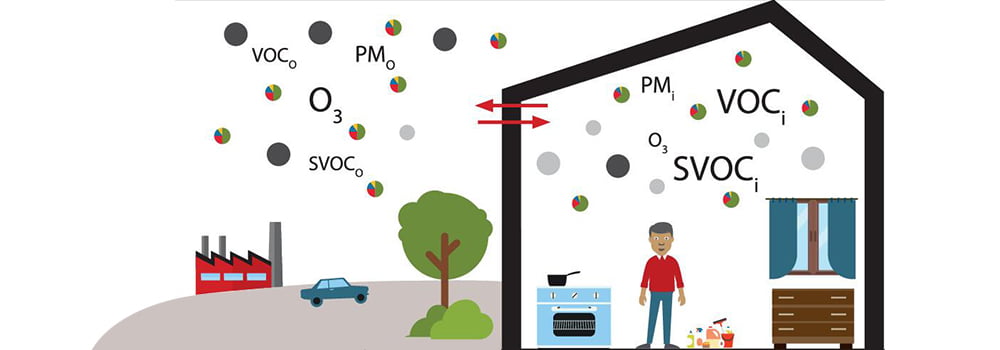
In an era focused on Indoor Air Quality, residents are increasingly concerned about how to effectively monitor and improve their living environment. With technological development, all-in-one Indoor Air Quality sensors have appeared on the market, capable of simultaneously monitoring PM2.5, formaldehyde, temperature, humidity, and other indicators. The emergence of such devices undoubtedly provides convenience for families, but it also raises a key question: Is the data provided by these sensors accurate?
First, let's understand the working principle of these all-in-one sensors. Such devices usually contain multiple sensors, each responsible for detecting a specific environmental parameter. For example, PM2.5 sensors detect fine particles in the air through light scattering or resistance change principles; formaldehyde sensors may use electrochemical or photoionization methods to measure formaldehyde content in the air; and temperature and humidity sensors work by measuring changes in moisture and temperature in the air.
Now, regarding the data accuracy of these all-in-one sensors. Generally, the all-in-one sensors on the market have undergone certain calibrations and tests to ensure that the data they provide is accurate within a certain range. However, their accuracy can also be affected by various factors, including sensor quality, usage environment, equipment maintenance, and calibration.
● Sensor Quality: High-quality sensors typically provide more accurate data. Choosing well-known brands and certified products is an important factor in ensuring data accuracy.
● Usage Environment: The placement and surrounding environment of the sensor will affect its performance. For example, being too close to air outlets, direct sunlight, or high-humidity areas may affect its accuracy.
● Equipment Maintenance: Regular maintenance and calibration of sensors are key to ensuring long-term accuracy. Dust accumulation or sensor aging can lead to reading deviations.
Despite some influencing factors, overall, all-in-one sensors are effective tools for monitoring Indoor Air Quality. They provide residents with a convenient and fast way to understand and manage their living environment. Correct use and maintenance of these devices will allow us to better utilize them to improve Indoor Air Quality and create a healthier and more comfortable living space for families.
In summary, all-in-one Indoor Air Quality sensors are effective monitoring tools that can provide real-time data on important environmental parameters such as PM2.5, formaldehyde, and temperature and humidity. Although their accuracy may be affected by various factors, by selecting high-quality products, arranging them reasonably, and performing regular maintenance and calibration, we can ensure reliable data to better manage Indoor Air Quality. Through these measures, we can create a healthier and safer living environment for ourselves and our families.
