

Technical Support:
158-7527-1139

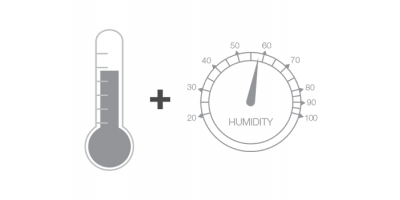
When selecting a temperature and humidity sensor for the home environment, considering its accuracy, functionality, ease of use, brand, and price is crucial. A suitable temperature and humidity sensor not only helps you maintain indoor comfort but also promotes the health of family members. Here are several key factors to consider when choosing a home temperature and humidity sensor.

Indoor air quality has a profound impact on our health and quality of life. Among indicators, carbon dioxide (CO2) concentration levels have a significant effect on human health. Excessively high indoor CO2 concentrations can not only cause physical discomfort but also trigger long-term health issues. This article will explore the hazards of high indoor CO2 to the human body and how to effectively respond to this issue.

Indoor air quality has always been an important topic in modern life, especially the concentration of PM2.5 (fine particulate matter), which directly relates to our respiratory health and quality of life. Due to its tiny particle size, PM2.5 can penetrate deep into the lungs, and long-term exposure increases the risk of respiratory and cardiovascular diseases. Therefore, understanding the normal range for indoor PM2.5 and taking corresponding measures to maintain good indoor air quality is vital for everyone.

In many homes, dust and lint seem like unavoidable problems. They not only affect the neatness and appearance of the home but can also negatively impact occupant health. To effectively address this challenge, we first need to understand the causes of dust and lint and explore how to use dust sensors and other strategies to reduce their presence.

Formaldehyde, a common indoor air pollutant, has long been a focus in the field of public health. it primarily originates from emissions from furniture, flooring, paint, and other building materials. Formaldehyde not only has a pungent odor but can also cause eye and throat irritation, and long-term exposure can lead to serious health problems. Therefore, understanding the safe range for formaldehyde and using appropriate testing tools for monitoring is particularly important.

In the field of indoor air quality monitoring, carbon dioxide (CO2) sensors play a major role. CO2 concentration is a key indicator of indoor air quality, as it relates not only to occupant comfort but also to their health. Currently, the most common sensors used for indoor CO2 monitoring are infrared sensors and laser sensors. Each type has its own characteristics and application scenarios. This article will provide a comparative analysis of these two types of CO2 sensors to help users understand their functionality and suitability.

In modern homes, air quality is an issue that cannot be ignored, especially particulate matter and dust. These tiny particles affect comfort and can have long-term health impacts. Therefore, monitoring and improving air quality has become important. This article explores how to choose the right sensor to solve this.
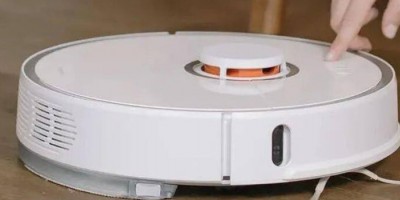
Robot vacuums are small helpers in modern home cleaning and are becoming smarter. The dust sensor, as a key component, enhances the robot's environmental perception, allowing it to respond to the amount of dust on the floor and adjust cleaning strategies. But is a dust sensor always installed in robot vacuums?
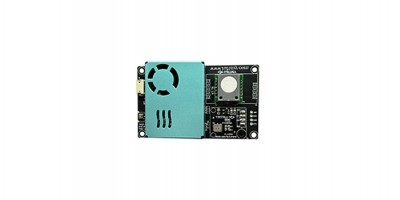
In today's society, rapid technological changes are dizzying, especially in the sensor field where innovative research allows us to detect and monitor the environment more accurately. We often hear about "all-in-one sensors," so what exactly does "all-in-one" refer to? This article will reveal the fascinating functions covered by this technology and explain the principles in easy-to-understand terms.

In today’s fast-paced life, we often overlook the importance of indoor air quality to our health and comfort. A powerful tool, the CO2 sensor, can help us monitor indoor CO2 levels, which is crucial for ensuring the spaces where we live or work are fresh, comfortable, and healthy. So, what aspects of CO2 sensors should we understand?

As modern people increasingly value a healthy quality of life, indoor air quality in the home environment has received unprecedented attention. To meet this need, fresh air systems were developed to provide a constant supply of fresh air while reducing outdoor pollution and the hazards of stale indoor air. However, more and more people wonder: are all fresh air systems equipped with dust sensors?

An indoor all-in-one sensor refers to a sensor product that integrates multiple sensors into one unit. Common indoor all-in-one sensors can measure various parameters such as temperature, humidity, PM2.5, CO2, and VOCs to monitor indoor environmental quality. The "all-in-one" aspect generally refers to the following areas:
