Technical Support:
158-7527-1139

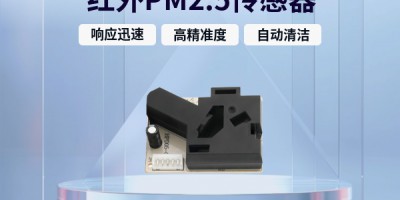
Air quality is vital to our health, and PM2.5, as one of the key indicators for measuring air quality, has become particularly critical in its monitoring and control. PM2.5 refers to fine particulate matter with a diameter of less than or equal to 2.5 micrometers, which can penetrate deep into the lungs and cause long-term effects on human health. Therefore, having a high-performance PM2.5 sensor is essential for real-time monitoring of air quality and protecting our respiratory health.

Setting reasonable alarm values is key to responding to high dust levels. This article details the principles, methods, and precautions for setting these values effectively.

Installation standards for sensors are constantly updated alongside technology and regulations. Understanding and following these standards is vital for performance and data accuracy.

The price of dust sensors is influenced by various factors. We explore these factors, analyze market trends, and provide buying advice to help users make informed decisions.
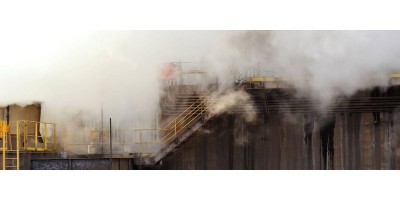
The sensor circuit is the core of dust monitoring, converting collected signals into readable electrical signals for processing. This article details the circuit composition and design.
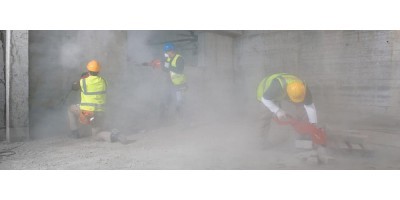
Dust sensors are indispensable in industrial/mining environments to prevent disease and explosions. This manual provides details on working principles, parameters, installation, and maintenance.

Long-term exposure to dust harms the respiratory system and causes occupational diseases. Setting correct alarm values on sensors is a key step in workplace safety.

Verification procedures for dust sensors ensure accuracy and reliability in mines and factories. This is vital for operations and meeting national environmental standards.

Dust is a common air pollutant in heavy industry. It threatens health and can cause explosions. Therefore, installation standards for these sensors are particularly important.

As industrialization progresses, dust issues become more prominent. Dust threatens equipment and worker health. Real-time monitoring and alarms are essential means to protect production.

Monitoring dust is vital in industrial production. However, many users do not understand the wiring, leading to malfunctions or inaccurate data. This article introduces wiring diagrams and usage methods.

In many industries like coal, chemical, and medicine, dust concentration is a key parameter. Correct installation and hanging of these sensors are vital for accuracy and safety. This article details these requirements.