

Technical Support:
158-7527-1139

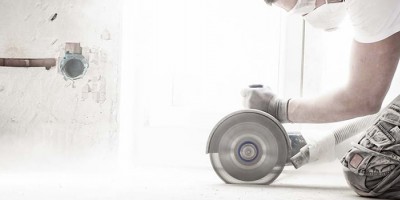
During the home renovation process, the generation of dust is almost inevitable. This dust not only affects the working environment during construction but may also have long-term adverse effects on the health of family members. Therefore, understanding the impact of renovation dust on indoor air quality and how to effectively control and reduce it is crucial for ensuring the health and comfort of family members.

When discussing indoor air quality, temperature and humidity are two key factors that are often overlooked. These two parameters not only have a direct impact on our comfort but also largely determine the quality of indoor air. As people pay more attention to a healthy living environment, installing temperature and humidity sensors to monitor the indoor environment in real-time has become increasingly common. This article will explore the impact of indoor temperature and humidity on air quality and whether it is necessary to install sensors to monitor the indoor environment.

In contemporary family life, people's concern for indoor air quality is increasing, especially regarding harmful substances like formaldehyde. Most people know that decoration materials and furniture are the main sources of indoor formaldehyde, but besides these, there are many inconspicuous items in daily life that can also be potential sources of formaldehyde.

As winter arrives, residents in southern cities turn on their heaters to dispel the cold. However, this comfortable lifestyle may hide a problem that cannot be ignored: a potential increase in indoor carbon dioxide (CO2) levels. This article will explore how to effectively manage indoor CO2 levels when using heaters in winter, ensuring both health and environmental protection.

During the Spring Festival, many families encounter a common problem: due to the setting off of fireworks and firecrackers, indoor PM2.5 concentrations skyrocket. This not only affects home air quality but can also pose a threat to the health of residents. Therefore, finding effective ways to deal with this problem is crucial. The following are some specific suggestions to help you maintain good indoor air quality during the Spring Festival.

After home renovation is completed, one of the biggest challenges is how to effectively remove the dust left behind. Renovation dust not only affects the aesthetics of the living environment but can also have negative effects on the health of the residents. Therefore, combining cleaning methods with modern technology (such as dust sensors) for effective dust removal and monitoring is an issue that every family needs to focus on after renovation. This article will provide a series of strategies for removing renovation dust and introduce how to use dust sensors to maintain a healthy home environment.

When winter arrives, many families find that the accumulation of dust and lint in their homes increases significantly. This not only affects the cleanliness and beauty of the living environment but can also impact health. This article will explore the reasons for this phenomenon and effective solutions point by point.

While focusing on family health and indoor air quality, understanding the sources of carbon dioxide (CO2) in the home environment becomes especially important. Although CO2 is not a toxic gas, elevated indoor CO2 levels can affect the comfort and health of residents. This article will explore several daily items and activities in the home that may produce CO2.

In discussions about air quality, we often focus on outdoor air pollution, such as industrial emissions and car exhaust and their impact on PM2.5 (fine particulate matter) levels. However, in recent years, multiple studies using PM2.5 sensors have found that in many cases, indoor PM2.5 concentrations are actually higher than those outdoors. This finding has not only attracted widespread public attention but also posed new challenges to our understanding of indoor air quality.
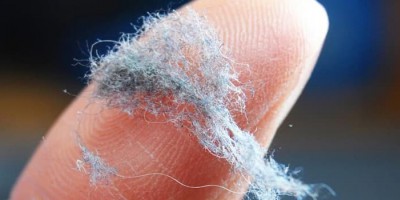
In many homes, a type of dust similar to lint is often found, appearing lightly on furniture surfaces, floor corners, and even in the air. This dust not only affects the beauty of the home environment but can also become a health hazard. So, how is this lint-like dust produced? And how should we clean them effectively?

Before exploring the phenomenon of the face turning red when indoor carbon dioxide (CO2) concentration is too high, we first need to understand the role of carbon dioxide in the indoor environment. CO2 is a colorless and odorless gas, often used as one of the indicators for assessing indoor air quality. In enclosed spaces, such as offices, classrooms, or home environments, human respiration is the main source of CO2, leading to an increase in its concentration.

In modern office environments, employees often feel tired and drowsy, especially after long hours of work. This situation is often blamed on poor indoor air quality, specifically high CO2 concentrations. However, faced with this problem, should we choose to install CO2 sensors to monitor air quality, or directly adopt air purifiers or fresh air systems to improve the environment?
