

Technical Support:
158-7527-1139

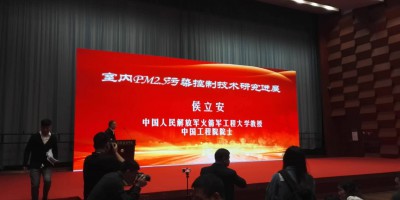
On the morning of December 13, 2017, Chairman Gu of the Guangdong Indoor Environmental Health Industry Association, accompanied by Deputy Secretary-General Du Yanzhen, visited Guangzhou LUFTMY Intelligent Technology Co., Ltd. Chairman Jiang Fang led the entire PhD R&D team in a warm reception.
With the continuous development of industry and transportation, a large number of harmful substances are discharged into the air, changing its normal composition and deteriorating air quality. When we live in polluted air, our health is affected. To improve environmental air quality, prevent ecological damage, create a clean and suitable environment, and protect human health, China formulated the "Ambient Air Quality Standard" (GB3095-1996) based on relevant laws. This standard specifies the division of air quality functional zones, standard levels, main pollutant items, and concentration limits for these pollutants at each level, providing a scientific basis for evaluating air quality.
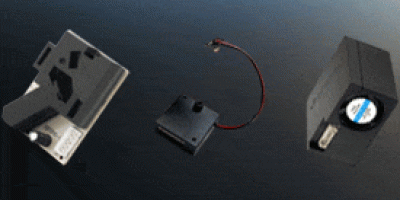
A haze detector, also known as a haze meter, depends on its ability to accurately detect PM2.5 concentration as the most important indicator of its quality. This is related to the type and detection principle of the dust sensor it uses. Currently, haze detectors on the market use two types of PM2.5 sensors: infrared dust sensors and laser PM2.5 sensors. Air purifiers and lower-priced haze detectors mostly use infrared dust sensors (currently, purification devices equipped with higher-accuracy laser sensors account for less than 10% of the total on the market), which have lower accuracy and find it harder to distinguish between PM10 or PM2.5.
Under ideal conditions, air purifiers should have computing capabilities and high-precision sensors to record the number of particles purified each time they are turned on. When it continuously drops from hundreds of ug/m3 to ten or twenty for you, the data of particles filtered each time is accumulated, thereby reminding replacement according to the design life of the filter. This is one solution; another feasible plan, of course, is simpler: install an additional PM2.5 sensor at the air outlet of the air purifier. When the particle concentration at the air outlet is significantly higher than the factory state, the filter is likely consumed to the point where it must be replaced, and we can then buy a replacement filter with peace of mind.
Air purification refers to providing overall solutions such as sterilization, dust reduction, haze removal, and removal of harmful decoration residues and odors for various indoor environmental problems to improve living and office conditions and promote physical and mental health. Main indoor environmental pollutants and sources: TVOC detection sensors: radioactive gases, mold, decoration residues, carbon dioxide;
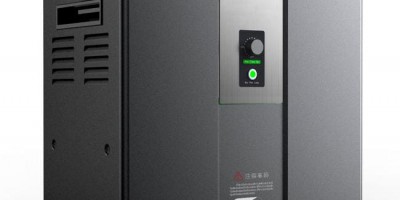
Heating, ventilation, fresh air, and air conditioning systems, along with purifiers, all detect exhaust by controlling dust sensor modules. An air quality sensor is a multi-wire sensor with multiple output options. Information is typically a PWM signal or I2C concentration value output. In automatic mode, once pollutant levels exceed a preset value, the system control module evaluates sensor data and processes it accordingly.
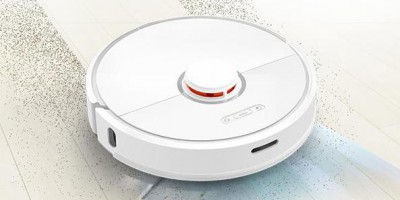
With the rise of robot vacuums, traditional vacuum cleaners seem sidelined. However, cost and specific cleaning needs leave many buyers undecided. Luftmy explains the key differences between the two and how dust sensors enhance both devices.
