

Technical Support:
158-7527-1139


In an era with increasing demands for healthy living, air purifiers have become essential equipment for many homes and public places. With rapid technological development, modern air purifiers are usually equipped with various sensors, including dust sensors. The integration of dust sensors aims to improve the intelligence level of air purifiers, providing data support for efficient operation by monitoring fine dust particles in real-time.
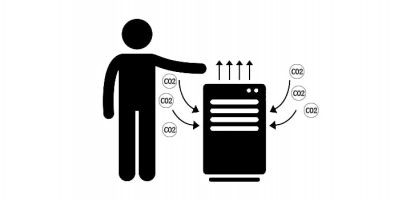
Modern life is stressful and dusty, and the impact of air quality on health is becoming increasingly prominent. Air purifiers not only combat daily dust and pollen but also serve as an effective shield against germs, gradually becoming an indispensable part of improving the living environment. However, air purifiers can only remove pollutants like particulate matter, formaldehyde, and TVOC, but they cannot monitor or control CO2 concentration.

CO2, or carbon dioxide, is a gas produced during human respiration. In indoor environments, excessive CO2 concentration can lead to dizziness, fatigue, lack of concentration, and in severe cases, even coma. Therefore, monitoring indoor CO2 concentration is vital for ensuring indoor air quality and human health. So, should you install a CO2 sensor at home?

In modern office environments, maintaining air quality to provide a healthy working environment has become increasingly important. Since fine dust particles suspended in indoor air can have negative impacts on employee health, monitoring and managing dust levels in the office has become a key factor in improving workplace comfort and employee productivity. So, should offices install dust sensors directly, or use products integrated with dust sensors for detection?

Whenever a beam of sunlight spills into a room through the window, we often see countless dust motes dancing in the air. Have you ever wondered where this household dust comes from? And how should we scientifically monitor and manage these seemingly invisible "uninvited guests"? Where does household dust actually come from?

The office is one of the places where we work and live daily; however, office air quality is often overlooked. As attention to health and comfort increases, the importance of monitoring office environmental quality becomes more prominent. Dust is a significant indicator of air pollution, and choosing the right dust sensor is a key step in monitoring and improving office air quality.

As attention to indoor air quality increases, CO2 sensors are becoming important monitoring tools for home and office environments. However, when choosing a CO2 sensor suitable for your environment, it should be clear that sensors in home and office environments may differ in design, function, and usage scenarios.

With changes in modern lifestyle, people spend more time indoors, and indoor air quality directly affects our physical and mental health. Among various indicators, CO2 concentration is a key metric for measuring air quality. High concentrations of CO2 not only lead to sleepiness and lack of concentration but may even have long-term health effects. Therefore, installing CO2 sensors to monitor and regulate indoor air quality is an effective means of improving the indoor environment.
Air purifiers are common appliances in modern homes and offices used to improve indoor air quality. One of the key components is the dust sensor. What exactly is a dust sensor and what does it do? The dust sensor is a vital component in an air purifier that monitors the content of dust and particulate matter in the air. It detects tiny particles and transmits the data to the purifier's control system. This technology allows the air purifier to monitor air quality in real-time and automatically adjust its operation for better filtration results.

A carbon dioxide sensor is a device that measures the concentration of CO2 in the air. CO2 is a colorless and odorless gas, but it is the main product of human respiration. In closed indoor environments, CO2 produced by human breathing accumulates, leading to the deterioration of air quality. CO2 concentration is an important indicator for measuring indoor air quality. Generally, indoor CO2 concentration should not exceed 1000ppm. When it exceeds 1000ppm, people may experience dizziness, fatigue, and lack of concentration.
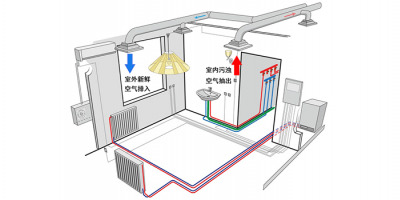
When we discuss indoor air quality, the importance of fresh air systems is self-evident. This system not only provides fresh outdoor air but also monitors and controls indoor CO2 concentration through built-in carbon dioxide (CO2) sensors to ensure air quality. But how do CO2 sensors work in a fresh air system? First, we must understand the basic working principle. Modern CO2 sensors primarily detect CO2 concentration through two technologies: Non-Dispersive Infrared (NDIR) sensing and chemical sensing.

Indoor dust sensors play an important role in ensuring indoor air quality; however, purchasing the right sensor requires a balance between price and performance. Understanding the price range and performance indicators is key. Firstly, the price of indoor dust sensors varies by brand, performance, and functionality. Basic sensors are relatively low-priced, usually used for simple monitoring. High-end sensors may have more accurate measurements, more features, and smart controls, with correspondingly higher prices. Therefore, consider the budget and weigh the required features and performance before purchasing.
